Blessing in Disguise
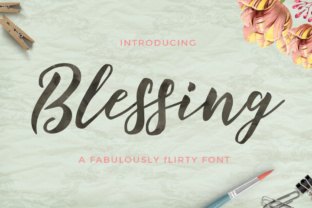
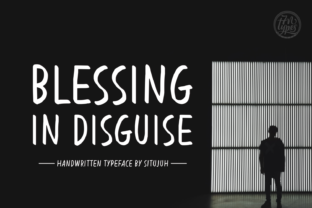
Choosing the right typeface is rarely the first thing that comes to mind when you are planning a project, building a brand, or preparing a presentation. Yet the visual voice of your work often determines whether people pause, read, or move on. Blessing in Disguise is a handwritten typeface that deserves a closer look, not because it is decorative, but because it solves a specific tension many creators face: how to appear approachable without sacrificing clarity. The font features bold lines with a fluid thickness that gives it a hand-drawn quality, yet it remains solid and remarkably legible. That combination—playful form with dependable readability—makes it useful across a wider range of situations than most handwritten fonts can handle.
This article walks through what Blessing in Disguise offers, where it fits into real workflows, and how to apply it with intention rather than impulse. If you are a freelancer refining your visual identity, a small business owner planning marketing materials, or an educator trying to connect with an audience, understanding this typeface may change how you think about handwritten options altogether.
Why a Legible Handwritten Font Matters for Strategic Communication
Handwritten fonts often get relegated to titles, short quotes, or decorative flourishes. The reason is practical: most of them become difficult to read once you need more than a few words. Blessing in Disguise breaks that pattern. Despite the natural variation in stroke thickness that gives it an organic feel, the letterforms remain solid and consistent. This means you can use it for body text without forcing your audience to guess letters or lose their place.
For anyone who communicates regularly—bloggers, publishers, marketers—this changes the planning calculus. You no longer need to switch between a display font for headlines and a separate body font for paragraphs. One typeface can carry the tone across both roles, which simplifies your design system and strengthens visual cohesion. When you are making decisions about positioning, consistency is often more valuable than novelty. Blessing in Disguise provides a novel look without forcing you to sacrifice the consistency that keeps readers comfortable.
- Headlines gain personality and warmth without becoming unreadable.
- Body text remains easy to follow, even in longer passages.
- Captions, quotes, and callouts blend naturally without requiring style breaks.
Branding and Positioning with a Handwritten Voice
Branding is about creating a reliable impression. Every time a customer sees your materials, they are subconsciously updating their sense of who you are. A typeface that feels stiff or overly polished can signal corporate distance. One that feels messy or careless signals a lack of professionalism. Blessing in Disguise sits in a productive middle space: it looks human-made but intentional.
Entrepreneurs and small business owners often struggle with how to look approachable while still being taken seriously. Using a polished handwritten font like this one signals that you put thought into your presentation, but that you value personal connection over impersonal formality. For a local café, a consultancy, or a creative studio, that tone can be exactly what sets you apart from competitors who rely on sterile sans-serif systems.
When you plan your brand assets, consider where handwritten elements will appear most frequently. If your logo uses Blessing in Disguise, your website headings can echo that same energy without needing a redesign. If you use it for product packaging, your social media graphics can pull from the same visual language. The goal is not to use the font everywhere, but to create a thread of recognition that runs through every customer touchpoint.
Practical Applications in Content Creation and Marketing
Content creation is where most people discover that handwritten fonts are harder to work with than they expected. You pick one that looks beautiful in a preview, then try to set a paragraph and realize the letters are inconsistent, the spacing is uneven, or the weight is too light for readable contrast. Blessing in Disguise avoids these pitfalls because it was drawn with thickness that holds up at multiple sizes.
Blog Posts and Long-Form Articles
Using a handwritten typeface for a full article might seem risky, but the legibility of this font makes it viable for introductory sections, sidebar quotes, or even short editorial pieces. If you run a lifestyle blog or a personal newsletter, setting your opening paragraph in this typeface can create an immediate sense of intimacy. Readers feel as though they are reading a handwritten note rather than a mass-produced post. The key is to pair it with a clean sans-serif for extended reading so that the handwritten voice adds contrast rather than fatigue.
Social Media Graphics and Quote Cards
Marketers and creators who post regularly know that stopping the scroll is half the battle. A bold, fluid handwritten typeface catches attention because it looks different from the polished, generic fonts that dominate feeds. Use Blessing in Disguise for quote cards, announcements, or product highlights. The thickness of the strokes ensures the text stays readable even at small sizes on mobile screens.
Presentations and Internal Documents
Professionals who give presentations often look for ways to break the monotony of slide decks. Using this typeface for section headers or key takeaways adds a human element without looking unprofessional. In internal documents, it can signal that a section is a note or a personal observation rather than formal policy. This kind of subtle visual cue helps audiences navigate information more intuitively.
Planning Your Workflow Around a Handwritten Typeface
Introducing any new typeface into your workflow requires more than choosing something visually appealing. You need to consider licensing, rendering across devices, pairing with other fonts, and how it behaves at different sizes. Blessing in Disguise is straightforward to implement, but planning ahead prevents the common mistakes that make handwritten fonts feel like a distraction rather than an asset.
- Test at multiple sizes before committing. What looks great at 48 points may feel heavy at 14 points, or vice versa. Because this font has fluid thickness, preview it in the actual contexts you will use.
- Establish hierarchy rules. Decide where the handwritten font lives—headlines only, short paragraphs, or selected callouts—and stick to that system across projects.
- Pair with a neutral companion. A simple sans-serif like a geometric or humanist typeface lets the handwritten element stand out without competing.
- Consider your audience’s reading environment. If most of your readers are on mobile devices, verify that the font remains legible at smaller screen sizes.
Risks of Using a Handwritten Font Without Clear Goals
Every tool has a shadow side. Using Blessing in Disguise without intention can work against you in several ways. The most common mistake is applying it too broadly. Because the font is distinctive, seeing it on every element of a page or document can fatigue the reader quickly. Handwritten typefaces rely on contrast for their impact. When everything is written in the same hand, nothing stands out.
Another risk occurs when the tone of the font clashes with the subject matter. If your content is highly technical, regulatory, or serious in nature, a playful handwritten look may undermine your credibility. The font is excellent for approachable communication, but it is not a universal solution. Always ask yourself whether the visual voice matches the message you are delivering.
There is also a practical concern around accessibility. Readers with visual impairments or certain reading disabilities may find handwritten fonts more challenging than standard serif or sans-serif options. While Blessing in Disguise is more legible than many handwritten alternatives, it should not be used for long blocks of critical information without offering a plain-text alternative or ensuring sufficient contrast and size.
Decision-Making Guidance for Creators and Business Owners
When you evaluate whether Blessing in Disguise fits your next project, start by clarifying your goal. Are you trying to build a warmer brand identity? Are you producing a one-time campaign where you want to stand out? Are you creating educational materials that need to feel less formal? Each context calls for a different level of commitment to the typeface.
For a brand refresh, consider using it as the primary display face and building the rest of your typography system around it. For a single campaign or event, using it selectively on posters, social graphics, and landing page headers can create a cohesive look without a long-term design lock-in. For educators and freelancers who produce regular content, using it for titles and pull quotes can add variety to a format that might otherwise feel repetitive.
The most strategic approach is to treat Blessing in Disguise as one layer in a broader visual system. Use it where you want warmth, personality, or a handcrafted feel. Use neutral, highly readable fonts everywhere else. This balance gives you the best of both worlds: distinctiveness without sacrificing utility.
Long-Term Value of a Purposeful Typography Choice
Typefaces are often treated as aesthetic decisions, but they carry operational weight. When you choose a font that is versatile enough to handle headlines and body text, you reduce the number of assets you need to manage. Over months and years, that simplicity saves time, reduces design inconsistency, and makes it easier for new team members or collaborators to produce on-brand work.
Blessing in Disguise offers long-term value because it does not rely on trends. Handwritten fonts come and go in popularity, but a typeface grounded in legibility and solid construction remains useful regardless of what is currently fashionable. If you invest in learning how to use it well, you carry that skill forward into future projects. The font becomes a reliable tool in your toolkit rather than a temporary experiment.
For small business owners and freelancers who cannot afford to redesign their materials every season, this kind of durability matters. You want a visual voice that can evolve with your business without requiring a complete overhaul. Blessing in Disguise gives you room to grow. You can start with a few applications and expand as your confidence and needs develop.
Final Strategic Observations
The best typography decisions are made when you understand both the strengths and the limits of what you are using. Blessing in Disguise is a handwritten typeface that succeeds because it does not try to be everything. It is bold enough to command attention, fluid enough to feel human, and solid enough to be trusted with real content. Whether you are planning a brand launch, refining your content strategy, or building educational materials, this font can serve you well if you approach it with intention.
Let the font do the work of adding personality so you can focus on what you actually need to say. That is the real blessing: a tool that handles the tone while you handle the message.