Modum: The Modular Monospaced Font for Clean Design
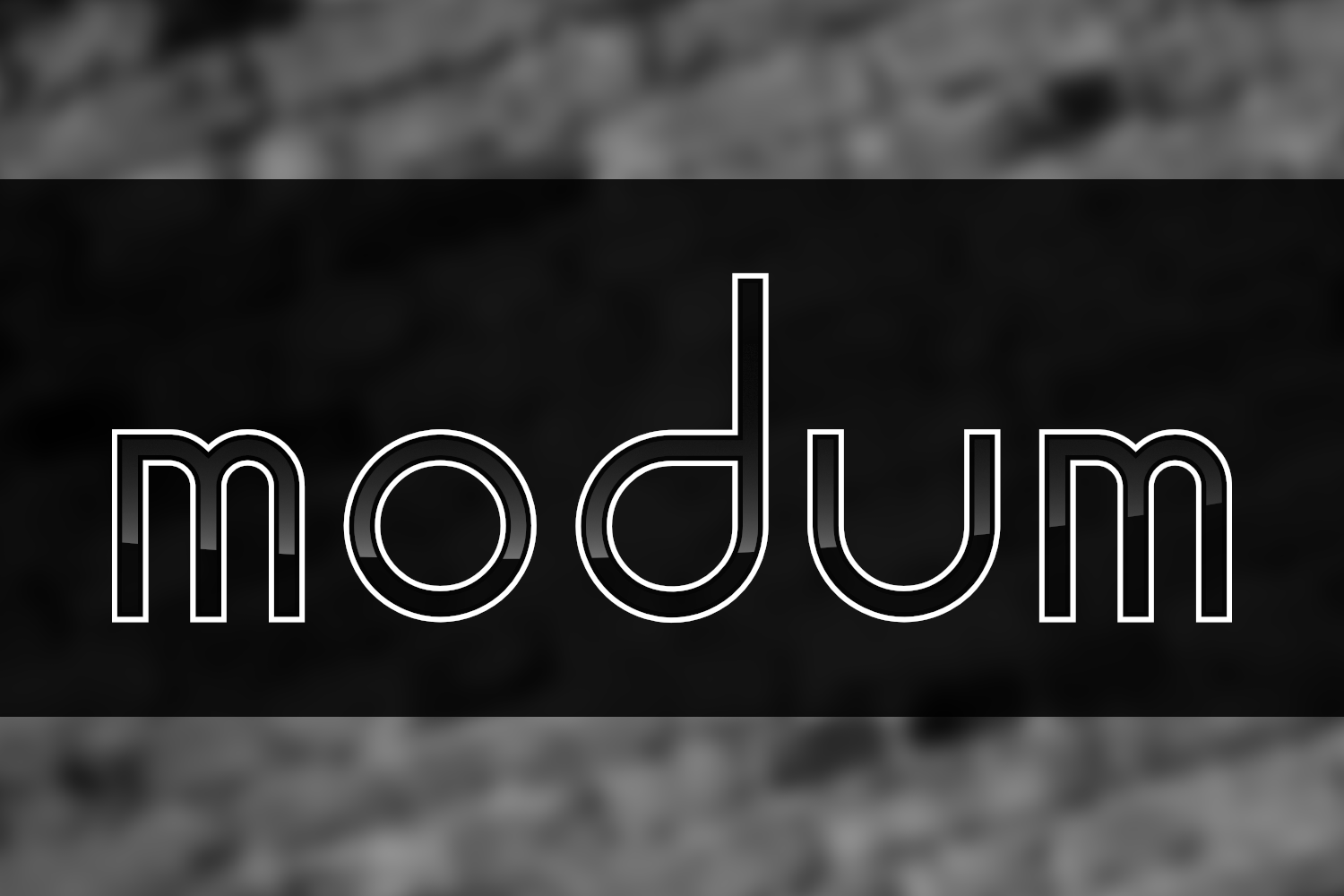
Typography sets the mood before a single word is read. So when a typeface like Modum arrives, it speaks a very specific language: precise, calm, and intentional. At its foundation, Modum is a modular monospaced font built from rounded shapes. It keeps every character within the same horizontal footprint, but it abandons the cold, rigid feel of traditional monospaced faces in favor of soft curves. The result is a tool that feels equally at home in a developer’s terminal and a designer’s presentation deck. Whether you are just discovering the impact of typeface choices or you have been obsessing over pixel-level details for years, understanding what Modum brings to the table helps you decide if it belongs in your toolkit.
Seeing Type in a New Light: For the Curious Beginner and Hobbyist
If you are new to the idea of picking fonts for specific purposes, Modum is a perfect study in how much a typeface can do for a project. Monospaced fonts can sometimes feel intimidating—they are associated with code, terminals, and technical work. Modum changes this dynamic completely. Its rounded shapes soften the experience. The characters feel welcoming rather than mechanical.
For a hobbyist building a personal website or formatting a README file on GitHub, ease of use matters most. Modum installs just like any other font on your system. You can load it into a text editor or a CSS file in minutes. Once active, it immediately makes your work look curated. That simple formatting choice distinguishes a hastily written document from one that feels deliberately designed. If you maintain a habit tracker, a journal, or a personal blog, Modum brings a quiet professionalism without requiring any design expertise. You simply apply it, and the visual rhythm does the rest.
The rounded forms also reduce visual fatigue. If you spend time reading instructions, writing out recipes, or organizing notes in a monospaced format, the soft edges help your eyes track lines more comfortably. For the beginner, there is no wrong way to start. Load Modum into a simple text file project, a code snippet on a blog, or even a formatted to-do list, and notice how the cleanliness of the structure makes the content feel more reliable.
A Precision Instrument for Creators and Professionals
When typefaces enter professional workflows, the evaluation criteria shift. You are no longer just asking, “Does this look nice?” You are asking, “Does this reduce errors? Does it scale well? Can I license it for commercial work?” Modum answers these questions with clarity.
Why the Developer Cares
Code is read far more often than it is written. Modum’s reliability shines here. The modular construction ensures that easily confused characters—such as the number one, the lowercase L, and the uppercase I—are visually distinct. This reduces cognitive load and prevents bugs born from misreading a line of code. The monospaced alignment keeps columns of code perfectly flush, making nested loops and conditional statements instantly scannable. Beyond pure function, Modum brings a calm aesthetic to the IDE. A screen filled with rounded, evenly spaced characters feels less chaotic. For long coding sessions, that reduction in visual noise translates directly into sustained focus.
Why the Designer Cares
Modum is built on modular principles, meaning its shapes derive from a consistent geometric system. This makes it an exceptional choice for UI design, data visualization, and branding applications. Flexibility is the key advantage here. You can use Modum to create dashboards where numbers must align perfectly in tables. You can deploy it as a UI font for a developer tool, where its rounded personality communicates approachability and modern engineering. In brand identity, Modum works wonderfully as a secondary typeface for technical materials. Pair it with a clean proportional sans-serif for headings, and Modum handles the code blocks, statistics, and tabular data. It signals to your audience that every detail has been considered.
Why the Publisher and Marketer Cares
In marketing, presentation drives trust. Technical white papers, case studies, and product documentation often rely on code examples or data tables. Using a disjointed or dated monospaced font here undermines the high-quality brand image you are building. Modum provides a cohesive, modern wrapper for these technical elements. When a potential customer sees clean, rounded code blocks in your API documentation, they perceive your product as polished and reliable. For marketers creating landing pages for tech products, Modum can be used in hero sections that display command-line interfaces or dynamic data readouts.
Making Technical Content Approachable: For Educators, Bloggers, and Communicators
One of the hardest parts of teaching or writing about technical subjects is lowering the barrier to entry. Dense walls of text or visually harsh code snippets scare off learners. Modum acts as a bridge here. Its rounded shapes and clean lines make technical examples feel less like a cold machine and more like a helpful guide.
For educators creating handouts or slides, learning value is the priority. A Python script set in Modum is dramatically easier on the eyes than one set in a traditional typewriter font. The spacing and legibility help students distinguish between keywords, variables, and operators. Because the font feels approachable, students are less likely to feel intimidated when they first encounter a block of code.
For bloggers and content creators, Modum provides a distinct visual signature. Using it consistently for code snippets, callouts, and blockquotes creates a recognizable brand touchpoint. It tells your regular readers, “This is a space where clarity matters.” The creativity comes into play when you use Modum not just for code, but for data-rich paragraphs, comparison tables, or interactive terminal simulations. It adds a layer of authenticity and technical credibility to your content.
Accessibility is another angle worth highlighting. Rounded forms and generous spacing can aid readers with visual processing preferences that make dense, angular fonts difficult to parse. By choosing Modum, you make your educational or marketing materials more inclusive. That is a practical benefit that reinforces E-E-A-T principles.
A Smart Asset for Business Owners and Entrepreneurs
As a small business owner or freelancer, every decision must earn its keep. A typeface might seem like a small detail, but touchpoints multiply. Your internal documentation, customer-facing dashboards, and marketing materials all accumulate into a single brand impression. Modum offers long-term usefulness and commercial value that makes it a worthy investment.
Consider your internal operations. Standard operating procedures, onboarding manuals, and technical wikis are often formatted in a haphazard way. Applying Modum to these documents instantly imposes order. The monospaced structure is perfect for listing commands, directory paths, and configuration values. Employees and contractors will navigate these materials faster because the visual layout is consistent and predictable.
For external products, Modum can define the tone of your technical interfaces. A SaaS platform that uses Modum in its analytics dashboard tells users, “We care about precision.” A tech startup that uses Modum in its marketing site for dynamic code demonstrations feels modern and developer-friendly. If Modum is available under a permissive license, the cost benefit is substantial. You gain access to a professionally designed typeface without recurring subscription fees. This is particularly valuable for bootstrapped companies and independent entrepreneurs who need to allocate resources carefully.
The speed of communication also improves. When numbers align vertically in tables, users can compare values instantly. When code examples are clearly formatted, developers integrate your API faster. Modum removes friction from the user experience, and for a business, reducing friction is directly linked to customer satisfaction and retention.
Evaluating Modum for Your Specific Needs
No typeface is perfect for every job. Modum excels in a specific set of scenarios. Understanding where it belongs will help you apply it effectively.
Where Modum Works Best
- Code editors and terminals: The core strength of any monospaced font. Modum provides clarity and reduces eye strain.
- Technical documentation: API references, SDK guides, and white papers benefit from its consistent alignment.
- Data dashboards and tables: Tabular data stays aligned, making comparisons intuitive.
- Brand identity for tech companies: Use it as a secondary font for technical materials while pairing it with a proportional brand face.
- Personal creative projects: Portfolio sites, creative coding outputs, and zines gain a modern, orderly aesthetic.
Where to Be Cautious
- Long-form narrative articles: Monospaced fonts are generally not optimal for reading large volumes of body text. Use Modum for code blocks or pull quotes, not full articles.
- Luxury or traditional branding: The rounded, modular, technical feel of Modum might clash with brands that require ornate or historical typography.
- Decorative or whimsical projects: Modum is clean and systematic. If your project needs handwriting-style fonts or heavy ornamentation, look elsewhere.
A Practical Test
The best way to evaluate Modum is to run it through a real scenario. Pull up your code editor and switch to Modum for a full workday. Notice how your eyes feel at the end of the day. Design a sample dashboard layout in Figma or Sketch with Modum handling the numbers and labels. Print out a page of technical documentation set in Modum and see how it reads on paper. These hands-on tests reveal whether the typeface aligns with your quality standards and workflow requirements.
Bringing It All Together
Modum occupies a specific and valuable space in typography. It combines the structural discipline of monospacing with the warmth of rounded shapes. For beginners and hobbyists, it offers an immediate upgrade to any text-based project. For developers and designers, it is a precision tool that supports long hours and high standards. For educators and communicators, it makes technical content feel accessible and intentional. And for business owners, it is a cost-effective asset that reinforces a brand message of clarity and reliability.
You do not need to be a typography expert to benefit from Modum. You just need to recognize that every element of your work communicates something. The right typeface carries that message without shouting. Modum whispers precision, and that whisper can be heard across every line of code, every data point, and every page of documentation you create. Load it up, test it out, and see how its clean, modular rhythm fits into your own creative or professional voice.