Gretaros: A Strategic Choice for Bold, Intentional Design
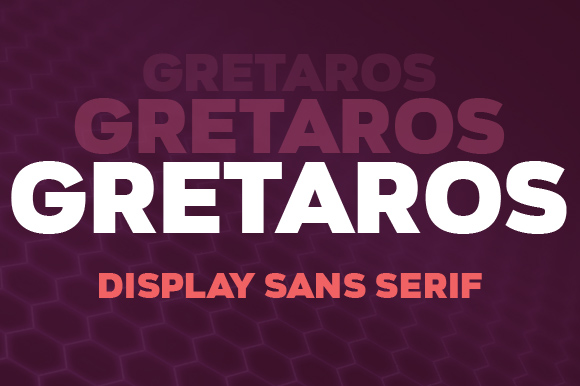
Gretaros is an all caps display sans-serif font designed for headlines, headings, branding, posters, packaging, titles, and logos. But beyond its visual impact, the real question is how you use it to support your goals. Whether you're an entrepreneur refining your brand identity or a marketer crafting a campaign, the typeface you choose carries weight. Gretaros offers a distinct presence that can either amplify your message or overwhelm it, depending on context and execution. This article explores how to approach Gretaros as a strategic tool—not just a stylistic choice—and how thoughtful use can improve your planning, positioning, and long-term results.
For professionals aged 20 to 50—including freelancers, small business owners, educators, and decision-makers—making deliberate decisions about design elements often separates effective communication from noise. Gretaros, with its bold, all caps structure, demands attention. But attention alone isn't enough. You need clarity, purpose, and alignment with your broader objectives. Let's break down how to use this font intentionally, what to consider before relying on it, and how to avoid common missteps.
Understanding the Strategic Value of Gretaros
At its core, Gretaros is more than a visual tool—it's a communication asset. Display fonts like this one serve specific roles in conveying tone, hierarchy, and emotion. Because it is all caps and sans-serif, it projects confidence, modernity, and directness. These qualities can be strategically useful when you need to command attention in crowded spaces, such as trade show banners, product packaging, or digital ads.
However, strategic value comes from alignment with intent. If your goal is to build brand recognition, using Gretaros consistently across key touchpoints can create a cohesive visual identity. For instance, a startup launching a product line might use it for logo lockups and packaging headers to signal innovation and reliability. Similarly, a publisher might employ it for book titles or section headings to establish authority. The font's uniformity—all caps, clean lines—reinforces a message of control and professionalism.
What matters most is that you don't choose Gretaros simply because it looks interesting. Instead, ask: What does this font communicate that supports my planning? How does it help me achieve specific outcomes, like increased recall or faster decision-making from my audience? When you answer those questions, you move from random selection to strategic deployment.
When Gretaros Strengthens Your Message
Understanding context is key to using Gretaros effectively. Here are scenarios where an all caps display sans-serif font adds measurable value:
- Headlines and titles: In articles, reports, or blog posts, a standout headline can increase click-through rates and reader engagement. Gretaros provides the visual weight needed to stop scrolling and encourage reading.
- Branding elements: For logos or brand marks, the font's all caps format offers symmetry and memorability. It works well when you want your brand name to appear solid and unshakable.
- Posters and signage: Physical spaces like retail stores or event halls require readability from a distance. Gretaros's sans-serif structure ensures legibility while its boldness grabs attention.
- Packaging design: On shelves filled with competing products, a clear, commanding typeface can differentiate your item. Using Gretaros for product names or key benefits can simplify the customer's decision process.
- Digital ads and social media graphics: Small screens demand clarity. An all caps style can make your message stand out, provided the text is short enough to avoid strain.
In each case, the font supports a specific goal—whether it's awareness, recall, or persuasion. But note the common thread: brevity. Gretaros excels when applied to short, impactful text blocks. Long paragraphs set in all caps tend to reduce readability and can frustrate readers. The strategic practitioner recognizes this limitation and plans accordingly, reserving Gretaros for moments that demand emphasis rather than explanation.
Planning Your Approach: Integrating Gretaros into Your Workflow
Thoughtful integration starts with planning. Before you open your design software, map out where and why you intend to use Gretaros. This prevents the common pitfall of applying a font arbitrarily across projects. Here's a practical workflow:
- Define your communication objectives. Are you aiming to build trust, drive sales, or educate? Your goals should dictate the tone. Gretaros suits objectives requiring authority and clarity.
- Assess your medium. Digital screens, print materials, and large-format displays all handle fonts differently. Test Gretaros in your primary medium to ensure it renders as intended. Pay attention to spacing, kerning, and contrast.
- Establish hierarchy. Use Gretaros only for the most important elements—headlines, titles, logos, or call-to-action phrases. Combine it with a more readable body font for supporting text. This creates visual structure and guides the viewer's eye.
- Create consistency guidelines. If you're building a brand or content series, document when and how to use Gretaros. Include color specifications, minimum size thresholds, and spacing rules. This ensures long-term coherence across your materials.
- Test with your audience. Before finalizing a campaign, run a quick test. Show a version with Gretaros and one without. Measure which performs better in terms of recall, engagement, or conversion. Let data inform your decisions.
This planning process turns a font choice into a strategic lever. You're not just picking a style; you're designing an experience that aligns with your audience's expectations and your own objectives. For freelancers and small business owners especially, where resources are limited, every design decision should contribute to operational efficiency and customer perception.
Risks of Using Gretaros Without Clear Goals
Like any strong tool, Gretaros carries risks when misapplied. The most common is overuse. Because the font is visually dominant, using it for large blocks of text can overwhelm readers and reduce readability. This can lead to lower engagement, higher bounce rates on digital content, or confusion in printed materials. Another risk is mismatch with brand personality. If your brand is positioned as approachable and soft, an all caps sans-serif font might feel too rigid or aggressive, creating cognitive dissonance for your audience.
Additionally, relying on Gretaros without testing can produce unintended consequences. For example, in multilingual contexts, all caps might not convey the same tone across languages. Or, on low-resolution screens, the font's details may blur, diminishing its impact. Decision-makers should also consider accessibility: all caps can be harder to read for people with dyslexia or visual impairments. Strategic use involves weighing these factors before committing.
To mitigate risks, adopt a test-and-learn mindset. Start with one project, such as a single product packaging line or a landing page headline. Measure the response. Adjust based on feedback before scaling use across your entire portfolio. This cautious approach protects your brand equity while allowing you to explore the font's potential.
Long-Term Considerations: Consistency and Adaptability
Using Gretaros effectively over the long term requires balancing consistency with adaptability. Consistency builds recognition. When your audience sees the same typeface across different channels—your website, social media, print materials—they form a mental association that strengthens your brand. However, markets evolve, and design trends shift. A font that works today might feel dated tomorrow if not paired with fresh layouts or complementary elements.
One way to future-proof your use of Gretaros is to treat it as a component in a modular design system. Define a set of rules for when it appears, but allow flexibility in other variables like color, spacing, and imagery. For example, you might commit to using Gretaros for all major headlines but vary the background color seasonally. This maintains visual consistency while keeping your materials current.
Another long-term consideration is adaptability across formats. As you expand into new media—video titles, mobile app interfaces, or augmented reality experiences—test how Gretaros performs. If it scales poorly, consider having a secondary display font that follows similar design principles. This ensures your communication remains effective without being locked into one tool.
Practical Examples and Decision-Making Guidance
To ground these ideas in real-world use, consider three scenarios:
Scenario 1: A coffee roaster launching a new blend. The owner wants packaging that signals craftsmanship and modernity. Using Gretaros for the blend name on the bag aligns with these traits. Combined with a serif font for origin details, the design creates hierarchy that guides the customer from headline to narrative. The result: a package that stands out on shelves and communicates quality at a glance.
Scenario 2: A freelance consultant creating a personal brand. The consultant needs a logo and website headers. Gretaros offers the authority needed to build trust with potential clients. However, the consultant avoids using it for body text or service descriptions. Instead, a clean sans-serif body font ensures readability. This division allows Gretaros to do its job—attract attention—without compromising the user experience.
Scenario 3: An educator designing a course landing page. The page uses Gretaros for the course title and key benefits. This helps learners quickly grasp the value proposition. The educator includes testimonials and module descriptions in a lighter, smaller font. The all caps title creates urgency and focus, driving enrollment actions.
In each case, the decision to use Gretaros comes from understanding the audience's needs and the medium's constraints. The font is a means, not an end. By keeping this perspective, you avoid the trap of choosing style over substance.
Using Gretaros Intentionally for Better Results
The most effective design choices are those made with intention. Gretaros can be a powerful addition to your toolkit when you align its use with clear goals, plan its integration carefully, and remain aware of its limitations. Whether you're branding a business, marketing a product, or creating educational content, the principles remain the same: prioritize readability, test in context, and treat every design element as a contributor to your overall strategy.
For entrepreneurs and professionals seeking to improve communication outcomes, this font offers a way to cut through clutter. But its success depends on your ability to deploy it thoughtfully. Start with small experiments, document what works, and scale from there. Over time, you'll develop a sense for where Gretaros fits in your workflow—and where it doesn't. That judgment, built through practice and reflection, is what separates strategic designers from those who chase trends.
Ultimately, the value of Gretaros is not in its appearance alone. It's in how you use it to make better decisions, communicate more clearly, and achieve lasting results. Approach it as a partner in your planning, not a shortcut. With that mindset, you can harness its strengths while avoiding the risks that come from using any tool without purpose.