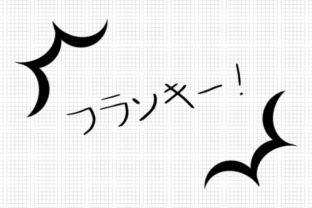
Flunkie Japanese: A Playful Display Font with Character
Every project needs a voice. Sometimes that voice is a quiet whisper, other times it’s a confident shout. And then there are the moments when you want something that feels spontaneous, energetic, and just a little bit rebellious. That’s where Flunkie Japanese comes in. As a display font with a rough, hand-drawn spirit, it brings an authentic, unpolished charm that instantly grabs attention. But this font doesn’t stop at English characters. The basic Japanese extension opens up even more creative possibilities, making it a versatile asset for designers, marketers, and content creators who want to break away from predictable typography.
What Makes Flunkie Japanese Stand Out
At its core, Flunkie Japanese is a handwritten font that leans into imperfection. The strokes vary in weight, the edges are slightly uneven, and the overall impression is one of motion and spontaneity. It feels like someone wrote it with a marker on a scrap of paper — but with enough structure to stay readable. This is not a serif font or a sans serif font in the traditional sense; it’s a creative font built for impact, not body text. The personality is playful, casual, and a bit mischievous. It doesn’t take itself too seriously, yet it still manages to look deliberate and considered.
What many people don’t realize is that a display font like this can be more than just a headline maker. The basic Japanese extension means you can pair Latin characters with Japanese kana and kanji, all in the same scrappy, hand-drawn style. If you’ve ever tried to find a consistent handwritten font that works across multiple scripts, you know how rare this is. It opens the door for bilingual packaging, social media graphics, and branding that feels cohesive even when switching languages.
Where Flunkie Japanese Shines in Real Projects
Think of the last time a piece of packaging caught your eye. Was it the design, the colors, or the typography? Often it’s the combination. Flunkie Japanese works exceptionally well in packaging design for products aimed at a younger, creative audience — think craft beer labels, artisanal snacks, or stationery. The rough texture of the letters suggests something handmade and small-batch, which builds trust and curiosity.
For logo design, this font can be a shortcut to authenticity. A brand that positions itself as fun, approachable, or unconventional will benefit from the immediate personality Flunkie Japanese provides. Pair it with a simple geometric shape or a clean symbol, and you have a logo that feels both contemporary and human. Entrepreneurs and small business owners often struggle to find a premium font that doesn’t break the bank while still looking unique. Flunkie Japanese fits that sweet spot: it’s distinctive enough to stand out, but not so ornate that it limits application.
In editorial design — especially for magazines, zines, or blogs — this font works beautifully for pull quotes, section headers, and side notes. It adds a layer of personality that a standard modern typography approach can’t replicate. Similarly, in web design, using Flunkie Japanese sparingly for call-to-action buttons or hero section headlines can introduce warmth without sacrificing readability. Just be careful with line spacing and contrast; because the strokes are irregular, you need enough space around the letters for them to breathe.
Marketers and social media graphics creators will find endless uses. A bold quote on Instagram, a playful sale announcement on Facebook, or a quirky meme — all benefit from the raw energy of a handwritten display font. When you’re competing for scrolls, a font that feels like a genuine message from a friend can outperform polished alternatives.
How Typeface Selection Shapes Brand Perception
The fonts you choose are not decorative; they’re strategic. Font pairing is one of the most underrated skills in design, and Flunkie Japanese gives you a strong anchor to build around. Because it’s so expressive, it pairs best with minimal, neutral companions. A clean sans serif font like Helvetica or a simple slab serif will keep the layout grounded. The contrast — organic versus geometric — creates a visual hierarchy that guides the eye exactly where you want it to go.
Consider a brand that uses Flunkie Japanese for its main headline and a light sans-serif for body copy. The headline instantly communicates energy and humanity, while the body copy ensures readability and consistency. This balance helps brand perception feel approachable but also professional. It’s the difference between looking like you sketched an idea on a napkin (cool) versus looking like you never opened a design software (not cool). The font does the heavy lifting of personality, so you don’t have to force cuteness elsewhere.
For design assets like business cards, flyers, or product sheets, Flunkie Japanese can become the hero element. But use it strategically. Overusing a display font reduces its impact. Reserve it for the most important message — the name, the tagline, the core offer — and let everything else fade into supportive typography. This approach directly influences audience engagement: people remember what stands out, and a well-placed hand-drawn headline is hard to ignore.
Practical Guidance for Choosing and Using Flunkie Japanese
Before you buy or download a commercial font, it pays to preview it in context. Most foundries offer test drives. Load Flunkie Japanese into a mockup of your actual project — a website header, a product label, a social media post. Does it convey the mood you intended? Sometimes a font looks great in isolation but falls flat when surrounded by other elements. Evaluate project fit by asking: Does this style align with the brand’s voice? Is the audience likely to respond to something playful, or would it feel out of place?
When testing font pairings, start with one strong contrast. Try Flunkie Japanese with a clean serif for a vintage-modern mix, or with a geometric sans-serif for a more contemporary feel. Avoid pairing it with another handwritten font — that creates visual noise. Also, keep an eye on readability considerations at different sizes. This font works best at display sizes (24pt and above) where the imperfections add character rather than confusion. For body text or small captions, use a standard typeface.
Reviewing included styles is another step. The basic Japanese extension may come with Latin uppercase, lowercase, numerals, punctuation, and a set of common Japanese characters. Check if it includes the specific glyphs you need, especially if you’re working with Japanese text or want to create bilingual headlines. Some versions may have limited kanji coverage, so verify before committing.
Finally, always check the commercial licensing. A premium font will usually have a license that covers web embedding, print use, and apps — but the terms vary. If you’re a small business owner using the font across marketing, make sure your license covers internal use as well as client projects. The same applies to designers and agencies: a single-user license won’t work if multiple team members need access. Investing in the right license upfront saves headaches later.
Real-World Scenarios and Creative Applications
Let’s walk through a few examples. Imagine you’re designing a poster for a local music festival. The lineup includes indie bands and food trucks. You want the poster to feel gritty, spontaneous, and exciting. Flunkie Japanese becomes the headline font for the band names, while a clean sans-serif lists the schedule and location. The rough strokes echo the energy of live music, and the Japanese extension lets you include the festival name in kanji if it has a Japanese theme — or simply for visual flair.
Or picture a small e-commerce brand selling handmade ceramic mugs. The packaging is simple craft paper with a black ink stamp. Flunkie Japanese gives the label a hand-stamped quality without needing an actual stamp. The brand name in the font feels personal, and the Japanese extension can be used for product variations or limited edition markers. Customers perceive the product as artisanal and honest, which justifies a higher price point.
For a blogger or content creator, using Flunkie Japanese for post titles or YouTube thumbnail text can build a recognizable visual identity. Over time, viewers associate that rough, friendly lettering with your content, strengthening brand recognition. Just remember to pair it with clean body fonts to maintain professionalism in the reading experience.
Flunkie Japanese isn’t a one-size-fits-all font. It’s a typeface with a distinct personality that works best in projects where you want to humanize the message. It’s not meant for legal documents or corporate annual reports. But for anyone looking to inject warmth, energy, and a touch of irreverence into their brand identity, it’s a tool worth exploring. The Japanese extension only widens the scope, letting you reach bilingual audiences or simply add an unexpected aesthetic twist.
When evaluating your next creative project, think about the mood you want to set. If the answer is “bold, approachable, and unpolished in the best way,” then Flunkie Japanese deserves a spot in your design assets folder. Test it, pair it, and see how a single typeface can shift the entire feel of a layout. That’s the real power of thoughtful typography — it makes people feel something before they even read a word.