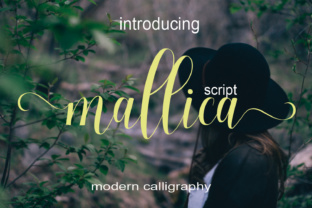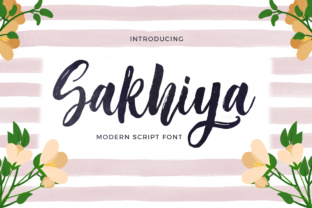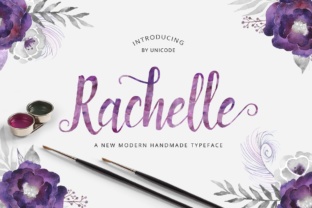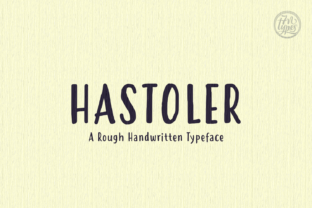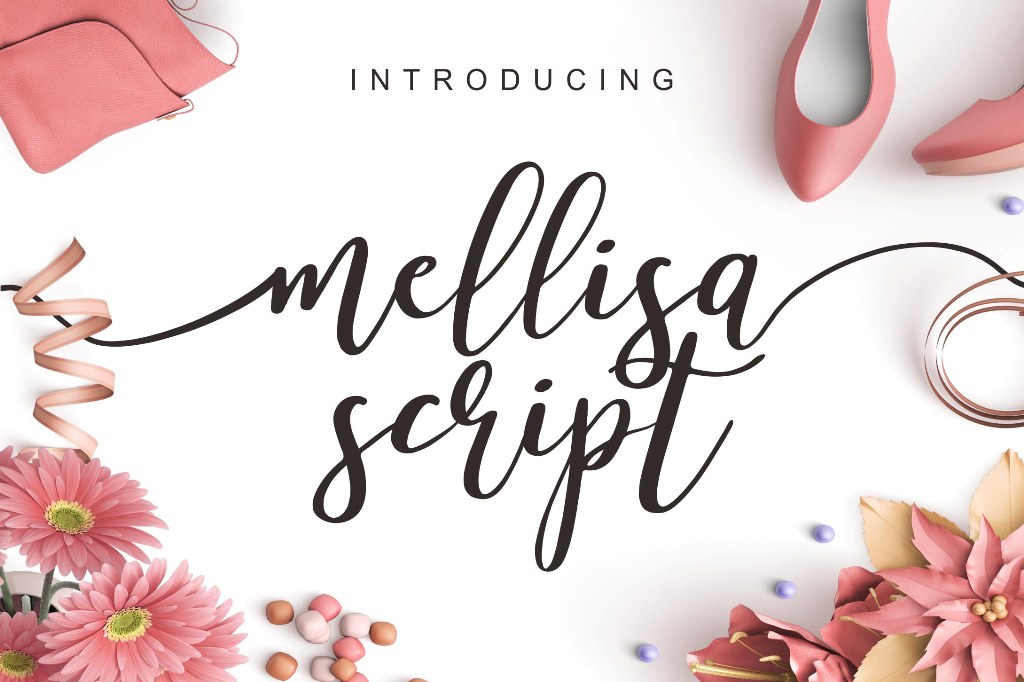
Mellisa: A Stunning Handwritten Script Font with Swashes – What to Know Before You Use It
Handwritten script fonts have a special appeal. They bring warmth, personality, and a human touch to digital and print projects. Among the many options available, Mellisa stands out as a stunning handwritten script font that is packed with lots of swashes. It looks elegant, playful, and versatile at first glance. But like any design tool, using Mellisa effectively requires more than just downloading and typing out your text. Many people jump in too quickly and end up with results that feel cluttered, hard to read, or unprofessional.
This article walks through the most common mistakes people make when choosing, using, and applying Mellisa. Whether you are a beginner exploring script fonts for a wedding invitation, a professional designer looking for a new signature style, or a small business owner trying to make your logo stand out, understanding these pitfalls will save you time, frustration, and money.
Assuming a Script Font Works for Every Project
One of the biggest misunderstandings is treating Mellisa as a one-size-fits-all solution. It is a stunning handwritten script font with lots of swashes, but that stylistic flair can become a liability in the wrong context. For example, body text or lengthy paragraphs set in Mellisa quickly become exhausting to read. The swashes and cursive connections, while beautiful, reduce legibility at small sizes or when stacked in dense blocks.
Instead, reserve Mellisa for short, impactful content. Headlines, quotes, single words, signatures, or short product names let the font shine without overwhelming the reader. A wedding invitation where the couple’s names are set in Mellisa, while the event details use a clean sans serif, creates a balanced, professional look. The mistake is trying to use the script for everything; the correction is to pair it strategically.
Overusing Swashes and Alternates
Mellisa is packed with swashes—those flowing flourishes at the beginning and end of letters. It is tempting to enable every alternate swash and ligature, especially when you first discover them. But too many swashes can turn a graceful script into a tangled mess. Letters may overlap, extend too far into margins, or create heavy, unbalanced visual weight.
Good practice is to use swashes sparingly. Use them as accent elements rather than default styling. For instance, if you are designing a logo, apply a prominent swash on the first and last letter only. In a quote, perhaps one initial swash and one terminal swash are enough. The goal is enhancement, not distraction. If you find yourself constantly adjusting spacing or scaling down the font to accommodate swashes, you have likely used too many.
Ignoring Readability at Different Sizes
A script font like Mellisa looks gorgeous on screen at 36 point or larger. The fine swashes and delicate strokes are clear and elegant. But scale it down to 12 or 14 point for a business card or a menu, and those same details become muddy or invisible. Thin strokes may break up, and the swashes may cause letters to merge into illegible blobs.
Always test Mellisa at the actual size you intend to use. If you are designing for print, request a physical proof or simulate the size on a high-resolution screen. For digital use, check how the font renders on different devices and browsers. Many users download Mellisa assuming it will scale gracefully—only to find their product labels are unreadable. The correction is simple: if the text must be small, choose a simpler script or a clean sans serif for that element, or increase the point size to preserve the font’s beauty.
Neglecting Font Pairing Basics
Mellisa is a decorative script. It demands a complementary partner. The most common mistake is pairing it with another ornate script or a display font that competes for attention. The result is visual chaos. Equally problematic is using a default font like Times New Roman or Arial without any thought to harmony.
Better pairing options include clean sans serifs (e.g., Open Sans, Lato, Montserrat) or subtle serifs (e.g., Garamond, Playfair Display). The key is contrast: let Mellisa provide the flourish, and let the second font provide stability. For example, a blog heading in Mellisa followed by body text in a neutral sans serif creates a readable, attractive layout. Avoid pairing with more than one additional font, and always test the combination in a mockup.
Downloading from Unreliable Sources
Because Mellisa is a stunning handwritten script font with lots of swashes, it is sought after. However, many people download it from free font sites without verifying licensing, file quality, or completeness. Free versions may lack certain swashes, ligatures, or alternate characters. Worse, they may contain malware or come with restrictive commercial licenses that you unknowingly violate.
If you intend to use Mellisa for any business or commercial work—logos, product packaging, advertisements, client projects—always purchase it from a reputable foundry or authorized retailer. Check the license terms: does it cover web use, print runs, embedding in apps, or use in merchandise? A $20 investment in a proper license is far cheaper than a cease-and-desist letter or having to redo all your branding materials. For personal projects, free versions may be acceptable, but verify the source first.
Forgetting About Context and Medium
Mellisa was designed primarily as a digital font, but its intricate swashes can cause problems in certain media. For instance, if you are cutting vinyl for a sign or performing laser engraving, fine swashes may break or become disconnected. Embroidery digitizing may distort the thin strokes. Even on screen, swashes can become aliased or look jagged if the font is not hinted properly.
Before committing to a medium, create a test sample. For print, request a physical proof or print at home using the same paper stock. For fabric or signage, consult with your production team or run a small test piece. If the medium cannot handle the detail, consider a simplified version of the font or reduce the use of swashes. Better to catch this early than end up with a costly order full of broken letters.
Treating Mellisa as a Text Font Rather Than a Display Font
This is closely related to the first point but worth emphasizing separately. Many users, especially beginners, see a beautiful script and assume it can replace their everyday body text font. They then write entire paragraphs in Mellisa, thinking it will make everything look artistic. The result is almost always hard to read, visually tiring, and amateurish.
Mellisa is a display font. Use it for headers, titles, logos, invitations, short quotes, or accent words. For body text, rely on a legible working font. A typical mistake is a blog post where the whole article is set in Mollisa (or a similar script) in an attempt to be creative. The better approach: use Mellisa for the post title and let the body be in a clean serif or sans serif. This preserves the artistic feel while maintaining readability and accessibility.
Overlooking Character Spacing and Line Height
Script fonts have built-in kerning, but it may not account for all combinations, especially when swashes are active. Many designers neglect to adjust tracking (letter spacing) and leading (line spacing) when using Mellisa. The default spacing can sometimes cause letters to crash into each other or, conversely, float too far apart when swashes create visual gaps.
Always manually adjust the tracking to achieve a balanced flow. For headings, a slight negative tracking can tighten the look, while for longer lines, positive tracking may improve readability. Increase line height to prevent descenders from overlapping with the line below. A 120–140 percent line height is a safe starting point. Test different values and compare against a standard layout. These micro-adjustments separate an amateur layout from a polished one.
Not Testing on Multiple Backgrounds
Because Mellisa has thin strokes and delicate swashes, it performs poorly on busy or textured backgrounds. The most common mistake is placing it over a photograph or a patterned background without sufficient contrast. The swashes get lost, and the text becomes unreadable.
If you must use a busy background, add a semi-transparent overlay, a text box, or a subtle drop shadow to ensure the font stands out. Even better, use Mellisa on a clean white, light gray, or soft pastel background. Test the design on a dark background as well—some swashes may create hard-to-see thin lines. Always view on a real device at actual size. When in doubt, simplify the background to let the font remain the star.
Rushing the Design Without a Mockup
People often download Mellisa, type their text, and export immediately. They skip the crucial step of building a mockup to see how the font interacts with other elements. This leads to poor alignment, awkward spacing, and swashes that extend outside intended margins, particularly in logos or branding materials.
Always create a mockup in design software like Canva, Adobe Illustrator, or Figma. Experiment with placement, size, color, and surrounding elements. Check that swashes do not overlap other text or important visual elements. For instance, if your brand name has a swash that extends downward, ensure it does not collide with a tagline underneath. Iterate until the arrangement feels balanced. A few minutes of mockup time can prevent hours of regret later.
Conclusion
Mellisa is a genuinely beautiful script font. Its abundant swashes offer creative potential that few handwritten fonts deliver. But that potential is only realized when you treat it with the respect it deserves. Avoid using it in long text, overusing swashes, ignoring size constraints, or skipping proper pairing. Verify licensing, test in your intended medium, and always mockup before finalizing. With these corrections, you can make Mellisa a standout element in your design toolkit—without falling into the traps that turn a stunning font into a frustrating experience.