Nazla: Where Classic Calligraphy Meets Contemporary Design
Typography has a way of shaping how we perceive a brand, a message, or even a single word. Among the many scripts available today, Nazla stands out as a font that gracefully walks the line between tradition and modernity. It is a modern script font rooted in classic calligraphy, but it carries a fresh, contemporary energy that makes it suitable for projects that need personality without sacrificing readability. Understanding what makes Nazla unique, how it performs in real-world applications, and what to consider before adopting it can help you decide whether this typeface fits your next creative endeavor.
The Calligraphy Foundation with a Modern Pulse
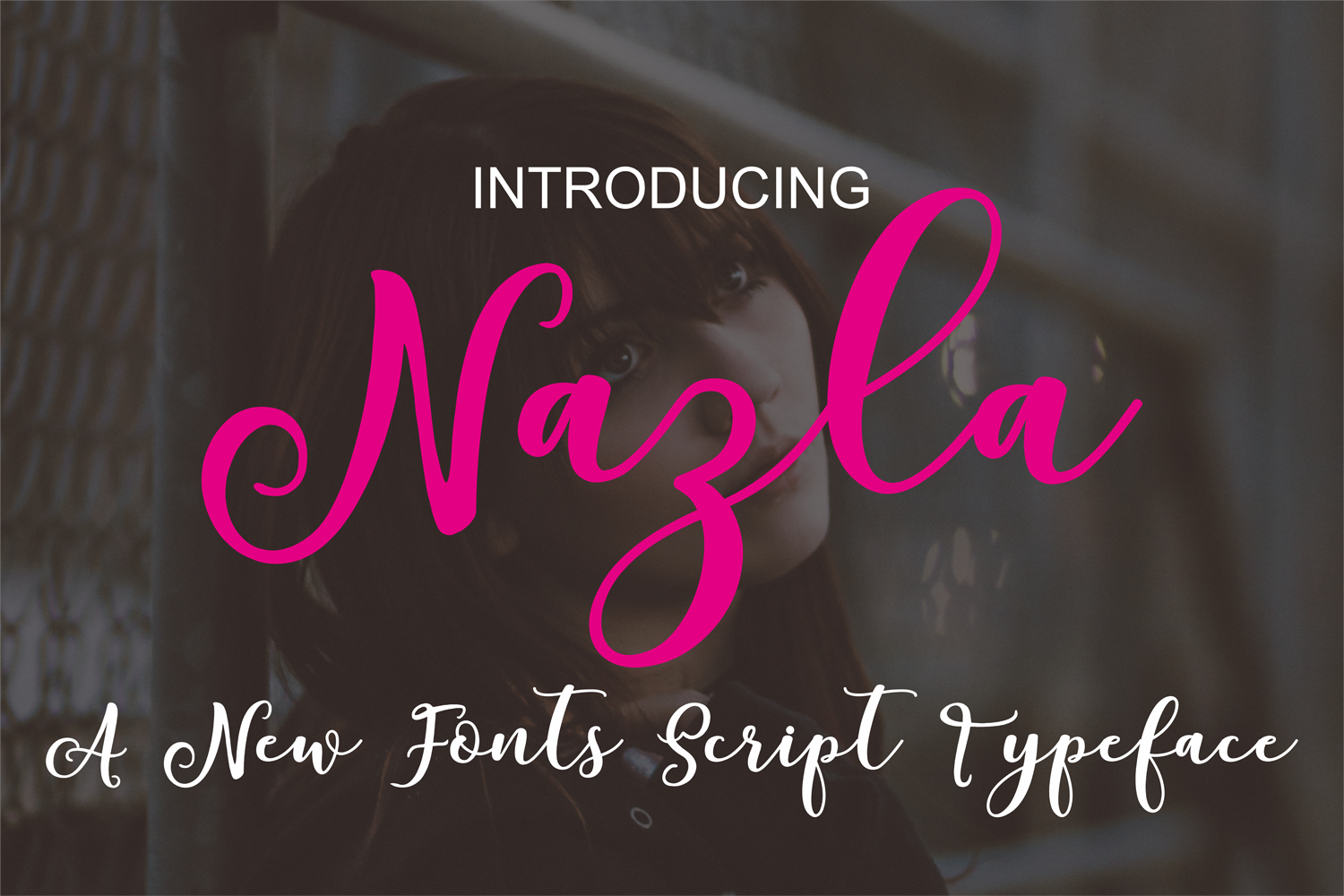
At its core, Nazla draws heavily from traditional calligraphic techniques. The flowing strokes, varied letter widths, and natural rhythm between characters echo the work of skilled hand-lettering artists. But unlike strict calligraphy fonts that can feel rigid or overly ornate, Nazla introduces subtle structural refinements that make it more versatile in digital and print environments.
This is not a font that tries to mimic a specific historical period. Instead, Nazla reinterprets the essence of calligraphy—the graceful entry strokes, the sweeping descenders, and the delicate contrast between thick and thin lines—and gives them a cleaner, more streamlined silhouette. The result is a typeface that feels handwritten yet intentional, artistic yet professional.
Balancing Elegance with Legibility
One of the biggest challenges with script fonts is legibility, especially at smaller sizes or in dense layouts. Nazla addresses this by keeping its letterforms relatively open and avoiding excessive flourishes that can clutter the reading experience. The x-height is generous, and the spacing between characters is carefully tuned so that words remain recognizable even when set in body text sizes.
This makes Nazla suitable for more than just headlines or logos. While it certainly shines in display settings, it can also handle shorter paragraphs, pull quotes, and even extended captions without fatiguing the reader. Designers who have struggled with script fonts that look beautiful but are impossible to read will appreciate this practical balance.
Where Nazla Fits in Modern Workflows
Typography choices affect everything from brand perception to user experience. Nazla fits into several modern workflows because it adapts to context rather than dictating it. Whether you are working on a branding package, a wedding invitation suite, a social media campaign, or a product label, this font brings a human touch that machine-made sans-serifs often lack.
Branding and Identity Design
Brands that want to convey warmth, craftsmanship, or creative sophistication often turn to script fonts. Nazla works particularly well for small businesses in creative industries—bakeries, florists, artisanal coffee shops, boutique clothing lines, and beauty brands. The calligraphy roots give it an artisan feel, while the modern proportions keep it from looking dated.
For example, a handcrafted soap company might use Nazla for its logo and product names, pairing it with a clean sans-serif for ingredient lists and packaging copy. The script adds a layer of personality that signals quality and care, while the sans-serif maintains clarity for regulatory information. This kind of pairing is common in contemporary branding because it allows emotion and function to coexist.
Web and Digital Design
Script fonts have historically been risky on the web due to loading times, rendering inconsistencies, and accessibility concerns. However, Nazla's design takes digital performance into account. The letterforms are constructed with web use in mind, meaning they maintain their character across different browsers and screen resolutions.
For hero headers, landing page titles, and navigation accents, Nazla can create an immediate visual anchor. Because it is not overly ornate, it also works well within responsive layouts where text might shift from a large desktop display to a mobile screen. Designers should still exercise caution with tracking and line height adjustments, but the font's natural spacing reduces the need for heavy manual tuning.
Print and Editorial Projects
In print, Nazla reveals its calligraphy heritage most clearly. The contrast between thick and thin strokes becomes more pronounced on coated paper, and the subtle ink traps (small cuts in the letterforms that prevent ink from pooling) show thoughtful craftsmanship. It works beautifully for invitations, menus, greeting cards, and small-run publications where typography is part of the visual storytelling.
One practical observation: Nazla performs best on stock that has some texture. Uncoated or lightly textured paper allows the font's organic quality to shine, whereas high-gloss stocks can make it feel slightly too crisp. This is a minor consideration, but one that matters to designers who care about tactile outcomes.
Key Characteristics That Define Nazla
To truly understand whether Nazla is right for your project, it helps to break down its specific traits. These are the qualities that experienced designers look for when evaluating a script font for professional use.
- Stroke contrast: Nazla features noticeable variation between upward and downward strokes, giving it a natural handwritten rhythm. The contrast is not extreme—it avoids the dramatic swells of copperplate scripts—but it is enough to add visual interest without overwhelming the reader.
- Terminal shapes: The entry and exit strokes are soft rather than sharp. This gives Nazla a friendly, approachable character. Letters like 'a', 'd', and 'g' have rounded terminals that keep the font from feeling prickly or aggressive.
- Consistent slant: Unlike some script fonts that vary the angle of each letter to simulate messier handwriting, Nazla maintains a consistent rightward slant. This improves readability and creates a more polished appearance, especially in longer text settings.
- Alternate characters and ligatures: Many versions of Nazla include stylistic alternates and ligatures that allow designers to customize the look. Swapping standard letters for alternate forms can change the tone of a word from casual to refined, giving you flexibility within a single typeface.
Practical Benefits for Designers and Creatives
Beyond its aesthetic qualities, Nazla offers several practical advantages that make it a smart addition to a typography toolkit.
Versatility Across Mediums
Because Nazla is neither too formal nor too casual, it can transition between projects that require different tones. A fashion brand might use it for a campaign tagline, while a stationery designer could use the same font for a thank-you card set. This versatility means you are not forced to learn multiple script fonts for different contexts—Nazla can serve as a reliable go-to for many scenarios.
Reduced Need for Custom Lettering
Custom hand-lettering is expensive and time-consuming. While it has its place in high-budget projects, many designers need a solution that delivers a handcrafted look without the cost and turnaround time of commissioning original lettering. Nazla fills this gap by offering a polished, professional script that feels bespoke but is ready to use out of the box.
Pairing Flexibility
Nazla pairs well with a wide range of sans-serif and serif fonts. Geometric sans-serifs like Montserrat or Futura create a modern contrast, while humanist serifs like Merriweather or Playfair Display can reinforce the calligraphy theme. The key is to give Nazla room to breathe—avoid pairing it with another script or decorative font, as this can create visual noise.
What to Consider Before Choosing Nazla
No typeface is perfect for every situation, and Nazla is no exception. Being aware of its limitations will help you use it more effectively.
Not Ideal for Dense Body Text
While Nazla is more legible than many script fonts, it is not designed for long-form body copy. Books, lengthy articles, or reports written entirely in Nazla would strain the reader's eyes. Reserve it for headings, short paragraphs, accents, and display uses where its personality can shine without overwhelming.
Licensing and File Formats
As with any premium font, check the licensing terms carefully. Some versions of Nazla may be limited to desktop use, while others include web licensing. If you are using it for a commercial website, make sure the license covers web embedding across the necessary pageviews. Also, confirm that the file format works with your design software—common formats like OTF and TTF are widely supported, but it never hurts to double-check.
Context Matters More Than Ever
Script fonts carry strong emotional associations. Using Nazla for a law firm or a financial institution might send the wrong message unless the branding is intentionally warm and approachable. Always consider whether the calligraphy aesthetic aligns with your client's industry and audience. When in doubt, test the font in mockups and gather feedback before committing.
Examples of Effective Nazla Usage
Seeing Nazla in context can help you imagine how it might work in your own projects. Here are a few scenarios where this font performs especially well.
- Product packaging for organic skincare: A soft green palette with Nazla for the product name and a minimalist sans-serif for ingredients. The script conveys natural, handmade quality, while the layout remains clean and modern.
- Wedding invitation suite: Nazla used for the couple's names and the main event details, paired with a light serif for secondary information. The calligraphy feel adds romance, and the modern twists keep the design from feeling vintage.
- Restaurant menu headers: Section titles like "Appetizers" and "Desserts" set in Nazla draw the eye, while menu descriptions remain in a readable sans-serif. This creates hierarchy without resorting to bold or oversized type.
- Social media quotes: Overlay text on photography or flat-lay images. Nazla's clean letterforms stand out even against busy backgrounds, making it effective for Instagram or Pinterest graphics.
Final Observations on Nazla
Nazla occupies a sweet spot that many script fonts miss. It respects the traditions of calligraphy while embracing the needs of modern design. It is expressive without being excessive, elegant without being fragile, and familiar without being predictable. Whether you are a seasoned designer looking to expand your type palette or a business owner seeking a distinctive voice for your brand, Nazla offers a compelling option that balances art and utility.
The best typography choices are those that feel inevitable—once you see the right font in the right context, it is hard to imagine anything else. Nazla has that quality for projects that need warmth, character, and a touch of handcrafted soul. By understanding its strengths and limitations, you can use it to create work that resonates on both a visual and emotional level.