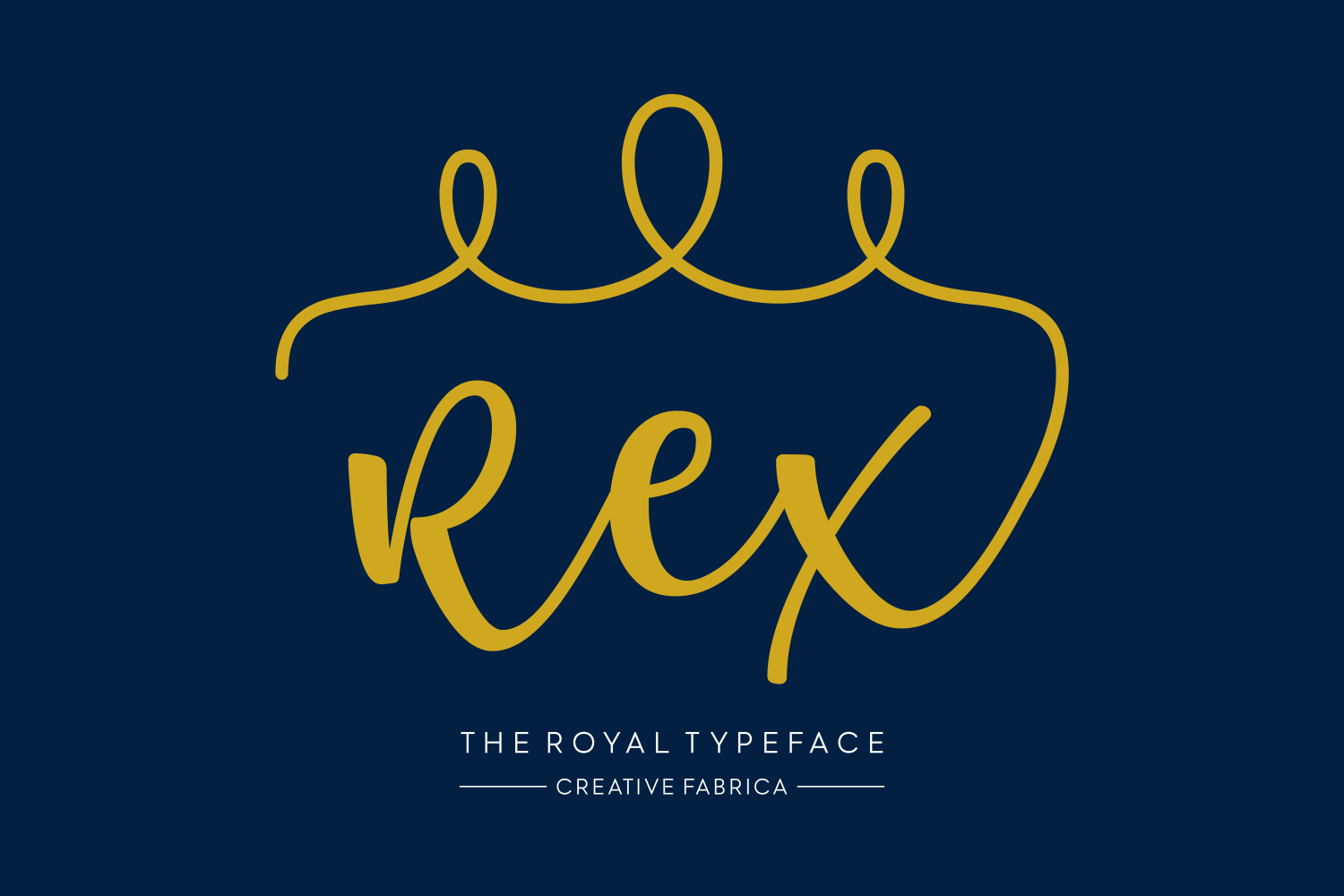
Rex Typeface: Where Royal Tradition Meets Modern Design
In the world of typography, names carry meaning. The Latin word rex translates directly to “king,” and it is a fitting label for a typeface that evokes a sense of regal authority while embracing contemporary sensibilities. Rex is a modern font deliberately built with nods to a royal past—think elegant serifs, sweeping terminals, and a collection of decorative swashes that add a playful yet dignified flair. For designers, marketers, and content creators evaluating display options, Rex occupies a unique space: it is decorative without being overly fussy, and it is fun without sacrificing readability at display sizes. This article offers a balanced look at what makes Rex distinct, how it compares with other typeface categories, and when it might (or might not) be the right choice for your project.
What Makes Rex Distinct
Rex is not simply another serif font with a few flourishes. Its core design balances classical proportions—borrowed from old-style serif traditions—with a crisp, clean execution that feels current. The most striking feature is the swash set. These are not hidden behind complex OpenType menus; Rex packages its swashes in an accessible way, often via stylisctic alternates or ligature replacements that anyone can apply with a few clicks. That ease of use separates Rex from many historical revival fonts, where accessing decorative characters can be a hunt through glyph panels.
Another distinction is the intended weight. Rex tends to work best at medium to large sizes—think headlines, pull quotes, logos, and invitations—where the swashes and subtle contrast between thick and thin strokes can be appreciated. The typeface carries a sense of ceremony without being stiff. There is a lightheartedness in the curves that invites experimentation, making it suitable for projects that want to hint at tradition without being conservative.
Comparing Rex with Other Typeface Categories
When evaluating Rex, it helps to place it alongside categories it might replace or complement. Below are some common typeface groups and how Rex compares in terms of personality, utility, and limitations.
Traditional Serif Fonts
Classic serif faces like Garamond, Baskerville, or Caslon are workhorses for body text and long-form reading. They are restrained and time-tested. Rex shares the serifed structure but diverges in purpose: where a traditional serif is designed to disappear into readability, Rex is meant to be noticed. If your project needs understated elegance for extended paragraphs, a traditional serif is still the safer bet. But if you need a headline that carries authority with a twist, Rex provides a more expressive option—especially when you activate the swashes.
Modern Sans‑Serif Fonts
Sans‑serif fonts such as Helvetica, Futura, or Proxima Nova are valued for clarity and neutrality. They excel in digital interfaces, signage, and minimal branding. Rex, by contrast, is anything but neutral. It brings a decorative flourish that a sans‑serif cannot easily replicate. For a clean, tech-oriented brand, a sans‑serif may be the right choice; for a wedding invitation, a boutique label, or a luxury product packaging concept, Rex offers a more distinctive personality. The tradeoff is legibility at small sizes: Rex’s swashes and thinner strokes can become muddied below 18 px, while a sans‑serif remains crisp at 12 px.
Other Decorative Serif and Script Fonts
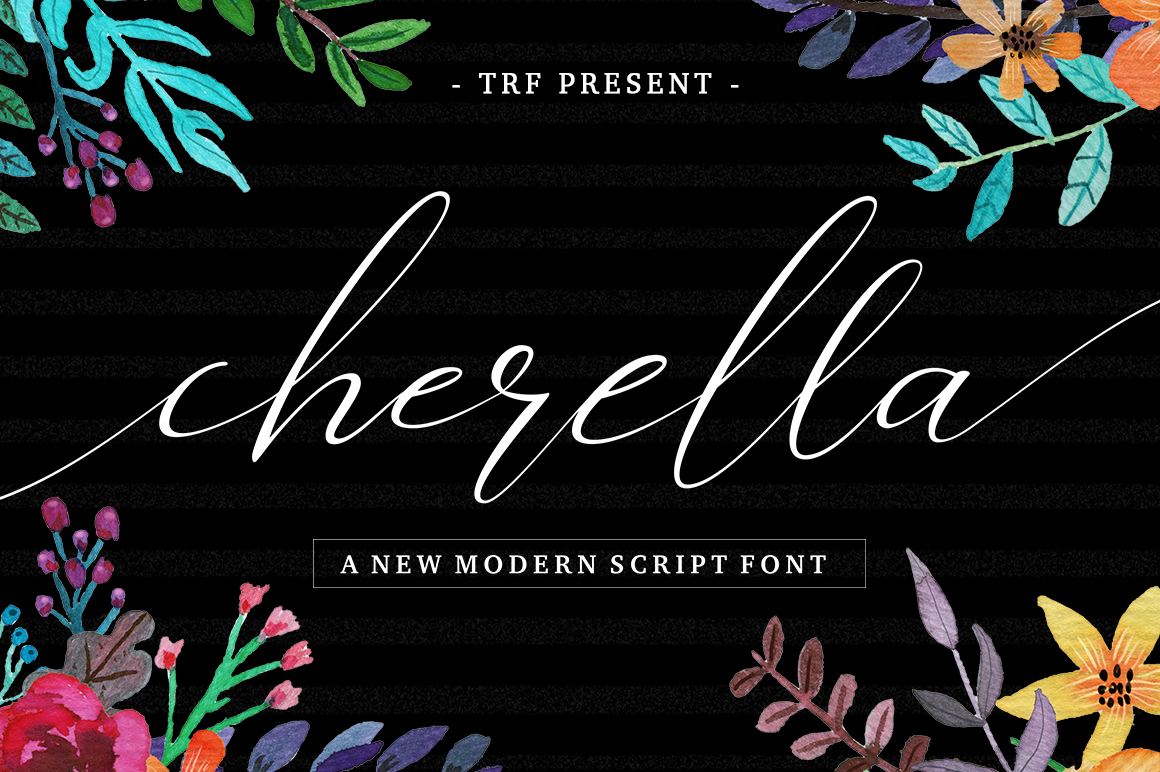
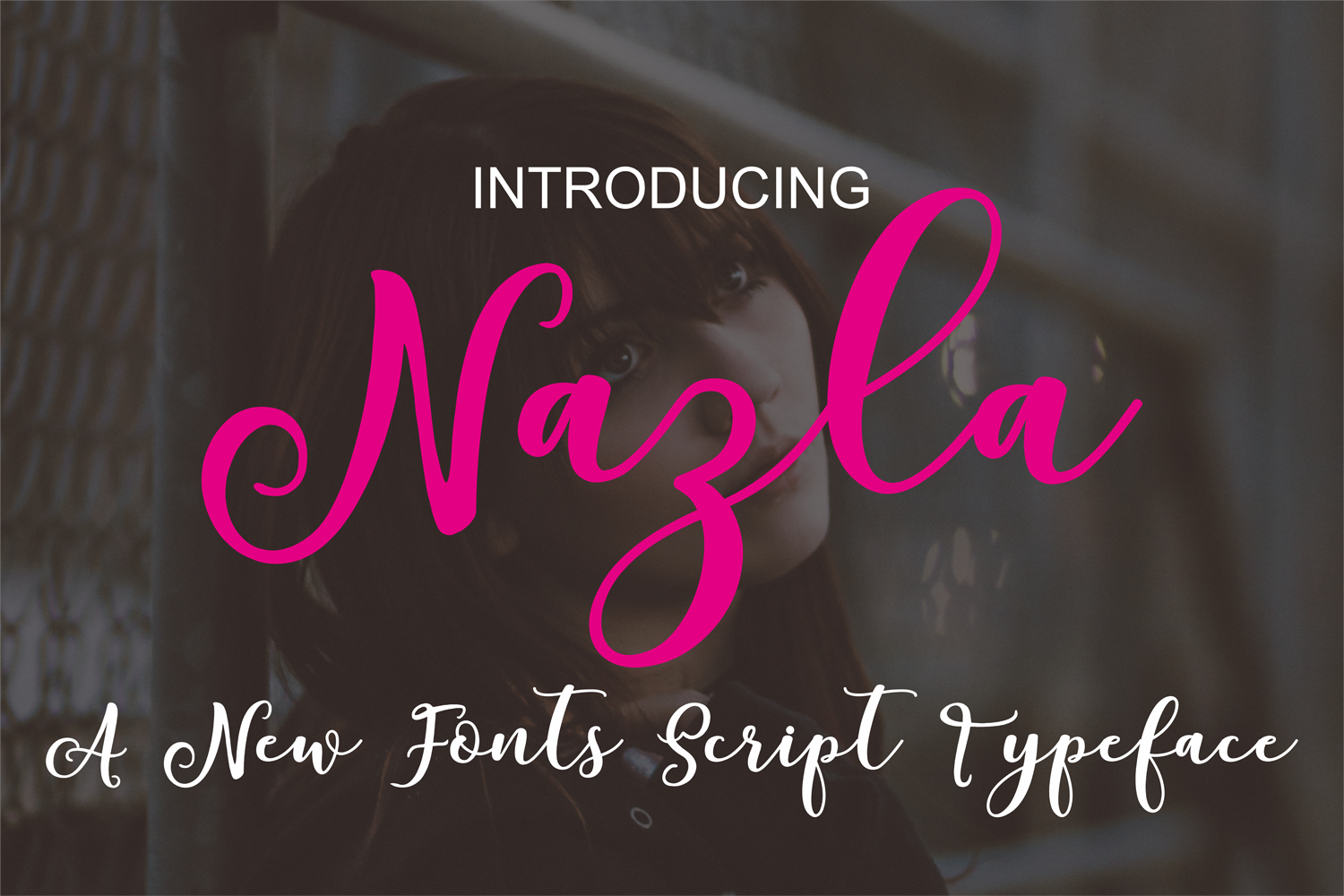
Within the broad category of display type, Rex competes with other decorative serifs and script fonts. Many script fonts rely on connecting letterforms and fluid strokes to evoke a hand‑lettered feel. Rex takes a different approach: it is a serif first, with swashes added as optional extras. This means you can start with a clean set of capitals and lowercase and only introduce flourishes where they make sense—giving you more control than a script font, which often forces connections and loops. Additionally, some decorative serif fonts are revivalist (e.g., Bodoni’s modern, Didot, or Copperplate) and offer little in the way of alternates. Rex is designed from the ground up with decoration in mind, making it more versatile for projects that require a mix of restrained and embellished settings.
Strengths
- Easy access to swashes: Unlike many fonts that require expert‑level OpenType knowledge, Rex’s swashes are designed to be discoverable via standard stylistic sets or discretionary ligatures. This lowers the barrier for intermediate users.
- Dual personality: The font can be used with or without swashes, so it works in a range of contexts—from a clean, modern serif headline to an elaborate ornate treatment.
- Visual impact: The royal cues (reminiscent of letterpress and copperplate engraving) give a sense of prestige, making Rex suitable for event materials, certificates, luxe branding, and editorial mastheads.
- Playful tone: The swashes and curves add movement; they can make a word feel celebratory, which is a good match for invitations, holiday promotions, or product names that benefit from a light touch.
Tradeoffs and Limitations
- Scale sensitivity: Rex is not designed for small body text. Below 16 px, the swashes may lack definition, and the stroke contrast can reduce legibility. For captions or long paragraphs, a simpler partner font is recommended.
- Context constraints: The regal flair may feel out of place in some modern, industrial, or minimalist contexts. A tech startup aiming for a “friendly sans‑serif” image likely will not find Rex appropriate.
- Language support: Some decorative fonts have limited diacritical coverage. Before committing to Rex for multilingual projects, verify that it includes the necessary accented characters.
- Swashes require restraint: Overusing swashes in every letter can create visual noise. Best practice is to apply swashes to capitals or initial letters only, maintaining readability.
Best‑Fit Situations
- Wedding invitations, save‑the‑dates, and formal event collateral where a sense of ceremony is desired.
- Luxury product packaging or branding (perfume, chocolate, premium spirits) that wants to hint at heritage without looking old‑fashioned.
- Blog titles, editorial headlines, or magazine covers that need a focal point with character.
- Logo design for small businesses that want a custom feel without commissioning a full typeface.
- Social media graphics for “house” style—Rex can lend consistency when used for headers in a series of quote cards or promotional posts.
When Rex May Not Be the Right Choice
As helpful as Rex can be for certain projects, there are clear scenarios where another option serves better. If your primary requirement is high legibility at small sizes (e.g., website body copy, app interfaces, legal documents), a robust text font—serif or sans‑serif—is non‑negotiable. Similarly, if your design direction is strictly minimal or corporate (think annual reports for financial firms or clean medical brochures), the decorative nature of Rex may conflict with a conservative tone. In those cases, a neutral workhorse like a geometric sans‑serif or a sharp modern serif (e.g., Abril Fatface or Playfair Display) might provide a touch of style without the swash‑driven personality.
Another consideration is cost and licensing. Many similar decorative fonts are available at various price points, and some free alternatives exist. Rex’s value lies in its combination of royal aesthetics and modern freshness—but if your budget is very limited, you may find open‑source options like Playfair Display (which also has swash alternates) or Cormorant Garamond (which includes some decorative characters). The tradeoff is that those fonts often require more manual work to access the small set of alternates, whereas Rex is designed with a larger, more cohesive swash system.
Practical Examples and Comparison Decisions
Imagine you are designing a wedding invitation suite. You want something formal but not stuffy. A traditional script font like Parisienne might feel too ornate and hard to read. A serif like Garamond might feel too bookish. Rex, used at 30 pt for the couple’s names with the swash set applied to the initial capitals, strikes a balance: it looks custom, carries a royal touch, and remains legible. For the details line (date, time, venue), you could set that in a clean sans‑serif like Poppins at 10 pt. That combination highlights Rex’s strength as a display face while keeping practical text readable.
Now consider a tech company’s landing page. The brand wants to communicate innovation and approachability. Rex would likely feel mismatched—its old‑world cues could confuse the modern message. A rounded sans‑serif or a custom wordmark would serve better. In contrast, for a boutique winery’s label, Rex could be perfect: it evokes tradition and craft without copying vintage labels exactly.
These examples underscore that choosing Rex is less about objective superiority and more about fit. The font’s royal connotations and accessible swashes solve a specific design need: projects that require a sense of occasion without losing a contemporary edge.
Decision Factors to Weigh
When you evaluate Rex (or any similar decorative font), ask yourself:
- What is the primary use? Headlines, logos, and display elements are ideal. Avoid Rex for long‑form reading.
- What audience are you addressing? Audiences who view tradition as positive (e.g., wedding guests, luxury consumers) may respond well. For a forward‑facing brand, test if the font aligns with the brand’s perceived values.
- How much control do you need over decoration? If you want to pick and choose where swashes appear, Rex gives you that flexibility. If you prefer a fully automated decorative system, a script font might be less work.
- Can you pair it with a complementary font? Because Rex works best at larger sizes, you will likely need a supporting text face. Plan that pairing ahead of time to ensure consistency.
- What is your technical comfort level? Rex’s swash accessibility is a plus for non‑experts. If your team is comfortable with OpenType features, many fonts offer similar alternates; but if you want a simpler workflow, Rex is a strong candidate.
A Final Perspective
Rex lives up to its Latin root: it brings a kingly presence to typography, but it does so with a modern hand. The font is not appropriate for every project, and that is its strength—it knows what it is. By understanding where Rex excels (display sizes, decorative contexts, projects needing a touch of playfulness) and where it falls short (body text, minimalist systems, small screens), you can make an informed decision that benefits your design. Whether you choose Rex or an alternative, the key is to match the typeface’s personality to your message. For those times when a modern twist on royal tradition is exactly what the brief demands, Rex offers a ready‑to‑use solution that is as enjoyable to work with as it is to read.