Why the Crumble Font Is Redefining Script Typography for Modern Design
Typography has always been a silent storyteller. The fonts we choose communicate tone, mood, and personality before a single word is read. Among the vast landscape of typefaces, script fonts hold a special place—they bring human warmth, flow, and elegance to written communication. Enter Crumble: a script typeface that, despite its modest name, delivers a remarkably polished and sophisticated visual experience. This article explores what makes the Crumble font unique, how it fits into contemporary design practice, and why it deserves a spot in your typographic toolkit.
What Exactly Is the Crumble Font?
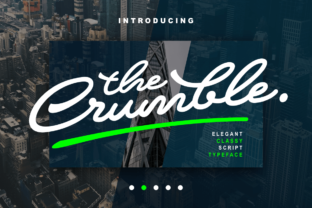
Crumble is an elegant and classy script typeface designed with a distinctive signature style. At first glance, you might expect a font called "Crumble" to feel rough or fragmented. In reality, the opposite is true. Every character has been carefully crafted to achieve a fluid, continuous flow that mimics natural handwriting while maintaining exceptional clarity. The result is a font that balances artistic expression with practical readability.
The font draws inspiration from classic calligraphy and modern hand-lettering techniques. Its letterforms feature gentle curves, deliberate swashes, and a consistent rhythm that makes text feel both personal and professional. Unlike many script fonts that sacrifice legibility for flair, Crumble manages to deliver both in equal measure.
The Signature Style That Sets It Apart
What truly distinguishes Crumble from other script typefaces is its signature aesthetic. Each character appears as though it was penned by a skilled calligrapher using a fine-tipped brush or fountain pen. The joins between letters are smooth, the slant is consistent, and the overall impression is one of effortless grace. This is not a font that shouts for attention—it earns it through subtle sophistication.
Designers often describe Crumble as having a "human touch." Unlike rigid geometric fonts, Crumble carries the imperfections and variations that make handwriting so appealing. Yet it does so within a structured framework that ensures consistency across different text sizes and applications.
The Purpose and Significance of Crumble in Modern Design
Typography serves many purposes, but script fonts like Crumble excel in one area above all others: emotional resonance. When you need a typeface that conveys elegance, intimacy, or sophistication, a well-designed script is often the best choice. Crumble was created specifically to fill this need for designers working across branding, print, and digital media.
The significance of Crumble lies in its versatility. Many script fonts are beautiful but limited—they work well for a headline but fail as body text. Crumble challenges this assumption. Its designers prioritized legibility without compromising style, making it one of the few script fonts that can function effectively in longer passages. This dual capability is rare and valuable.
Why "Crumble"? Understanding the Name
The name "Crumble" might seem counterintuitive for such an elegant font, but it hints at a deeper design philosophy. Just as a well-made crumble dessert combines distinct ingredients into a harmonious whole, this font blends individual letterforms into a cohesive, flowing text. The name also suggests approachability—Crumble is not pretentious or overly formal. It invites readers in, making them feel comfortable while still impressing them with its beauty.
Practical Applications: Where Crumble Shines
Crumble is described as perfect for display purposes, and for good reason. Its signature style makes it an excellent choice for a wide range of design projects. Here are some of the most impactful uses:
- Logotypes and Branding — A logo set in Crumble immediately conveys elegance and craftsmanship. Whether for a boutique bakery, a wedding planning service, a luxury beauty brand, or a high-end stationery company, Crumble adds a handcrafted feel that resonates with discerning audiences.
- Quotes and Posters — Inspirational quotes displayed in Crumble gain an emotional weight that standard fonts cannot match. The flowing script invites contemplation and makes each word feel personally meaningful.
- Wedding Invitations and Event Stationery — Wedding invitations require a delicate balance of formality and warmth. Crumble delivers exactly this, making it a favorite among event designers who want to set a romantic, sophisticated tone.
- Product Packaging — Premium products benefit from the visual appeal of Crumble on labels, boxes, and tags. The font suggests quality and attention to detail.
- Social Media Graphics — In the crowded world of social media, distinctive typography helps content stand out. Crumble works beautifully for Instagram quotes, Pinterest pins, and Facebook cover text.
Beyond Display: Crumble as Body Text
One of the most surprising features of the Crumble font is its legibility at smaller sizes. While many script typefaces become illegible when scaled down, Crumble retains its clarity. This opens up possibilities for using it as body text in shorter documents, such as personal letters, product descriptions, or magazine spreads with a romantic or vintage feel. Of course, for extended reading, a more traditional serif or sans-serif font might be preferable, but for moderate-length text, Crumble holds its own.
Technical Features: PUA Encoding and OpenType Capabilities
Modern typography is as much about technology as it is about design. Crumble is built with advanced features that give designers greater control and creativity. One of the most important is PUA (Private Use Area) encoding. This means that the font includes special characters, alternate glyphs, and decorative elements that can be accessed directly from character maps in design software.
For users working with applications that support OpenType features, Crumble's potential expands even further. OpenType technology allows designers to access:
- Stylistic alternates — Different versions of the same character to avoid repetition and add visual interest.
- Contextual alternates — Characters that change shape based on surrounding letters for better flow.
- Swashes and flourishes — Decorative extensions on letters that add elegance to specific words or phrases.
- Ligatures — Combined letter pairs that create seamless transitions between characters.
- Discretionary ligatures — More elaborate ligatures used for decorative effect.
These features transform Crumble from a simple font into a dynamic typographic system. A skilled designer can customize the look of every word, making each project truly unique.
How to Access These Features
To take full advantage of Crumble's advanced capabilities, you need software that supports OpenType features. Popular applications like Adobe Illustrator, Adobe InDesign, Adobe Photoshop, Affinity Designer, CorelDRAW, and even Microsoft Word (with appropriate settings) allow you to access alternates and ligatures. In most programs, this is done through the Character panel or Glyphs panel, where you can browse and select from the available alternate characters.
How Crumble Fits Into Modern Workflows
Typography is a cornerstone of visual communication, and the right font can elevate any project. Crumble fits naturally into several contemporary contexts:
Branding and Business Identity
Small businesses and entrepreneurs increasingly seek authentic, human-centered branding. Crumble offers a way to inject personality into a brand without sacrificing professionalism. A coffee shop, a florist, a calligraphy studio, or a wedding photographer can all use Crumble to signal their attention to detail and their appreciation for beauty.
Creative Education and DIY Design
With the rise of accessible design tools like Canva, Figma, and Cricut Design Space, more non-designers are creating their own visual content. Crumble is an excellent choice for beginners because it produces professional-looking results without requiring advanced design skills. A simple quote card or invitation set in Crumble looks carefully crafted, even if the creator has little experience.
Digital Content and Social Media
Content creators understand the power of visual consistency. Crumble can become a signature element in a creator's visual identity. Whether used for video titles, Instagram story text, or blog post headers, it adds a consistent, recognizable style that audiences come to associate with the creator's brand.
Clarifying Common Misunderstandings
Despite its many strengths, there are a few assumptions about Crumble that deserve clarification:
Misunderstanding 1: "Script fonts like Crumble are only for fancy, formal projects."
While Crumble certainly excels in elegant contexts, it also works for informal and playful designs. Its approachable nature makes it suitable for friendly, heartfelt communications.
Misunderstanding 2: "A font called Crumble must be rough or unfinished."
The name is deliberately understated and does not reflect the font's polished design. Think of it as a humble name for an extraordinary font—a pleasant surprise for anyone who encounters it.
Misunderstanding 3: "OpenType features are too complicated for casual users."
While professional designers will appreciate the full range of OpenType capabilities, even basic users can benefit from PUA-encoded characters. Copying and pasting special characters from a character map is straightforward and immediately rewarding.
Tips for Using Crumble Effectively
To get the most out of Crumble, consider these practical guidelines:
- Pair with a simple sans-serif font for body text to create contrast. Fonts like Montserrat, Open Sans, or Lato complement Crumble's elegance without competing for attention.
- Use ample spacing around text set in Crumble. The flowing script needs room to breathe, especially in display contexts.
- Avoid overusing swashes in a single document. A single decorative word or initial is powerful; too many flourishes can overwhelm the reader.
- Test readability at different sizes before finalizing a design. While Crumble is legible at small sizes, it truly shines when given enough space.
- Consider color carefully. Crumble works beautifully in deep, rich hues like burgundy, navy, emerald, and charcoal, as well as in soft pastels for a more delicate feel.
The Broader Context: Script Fonts in Today's Typographic Landscape
We live in an era dominated by clean, minimalist design. Sans-serif fonts like Helvetica and Roboto are ubiquitous. In this context, script fonts like Crumble serve an essential counterpoint. They bring back the human element that digital design sometimes lacks. As technology advances, our appreciation for handcrafted aesthetics only grows stronger. Crumble represents a bridge between the digital and the analog, the modern and the timeless.
For educators, students, business owners, and creative professionals alike, understanding typography is an invaluable skill. Fonts are not just decorative choices—they are tools for communication. Crumble, with its elegant script and advanced features, is a tool that rewards those who take the time to learn its capabilities.
Conclusion
The Crumble font is far more than its name suggests. It is a carefully engineered piece of typographic artistry that combines the warmth of handwriting with the precision of digital design. Whether you are branding a business, designing a wedding invitation, crafting a social media post, or simply exploring the world of typography, Crumble offers a unique blend of elegance, legibility, and technical sophistication.
By understanding its purpose, its features, and its practical applications, you can use Crumble to create designs that communicate not just information, but emotion and personality. In a world of generic fonts, Crumble stands out—not by being loud, but by being beautifully, unmistakably human.