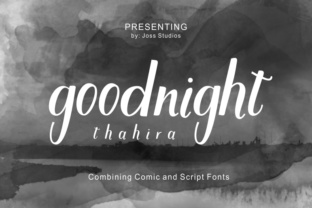
Thahira: A Hand Brushed Font for Intentional Brand Communication and Design Strategy
Typography is rarely a neutral decision. Every typeface carries subtle signals about intention, tone, and professionalism. When you choose a font like Thahira, you are selecting more than visual aesthetics — you are making a statement about how you want your audience to perceive your message. Thahira is a hand brushed font, originally created with a fine brush on paper and then digitally remastered to produce a smooth, flowing texture. This process preserves organic imperfections while delivering the consistency required for modern digital use. For entrepreneurs, creators, and professionals who must balance authenticity with reliability, this combination matters.
Understanding what Thahira offers and where it fits within a broader communication strategy can help you avoid common pitfalls — like using a decorative font in contexts that demand clarity or legibility. This article explores how to approach Thahira thoughtfully, when it adds genuine value, and what to consider before integrating it into your brand, content, or creative projects.
What Thahira Brings to Your Typography Toolkit
Thahira sits in the category of hand brushed display fonts. Unlike rigid geometric typefaces, it carries the warmth and movement of brush-on-paper strokes. The digital remastering process smooths the flow while retaining subtle variations in thickness, texture, and rhythm. This gives Thahira a human quality that feels deliberate rather than random. For professionals who want to convey creativity, craft, or personal connection, that distinction can be strategically useful.
The font works especially well when you need to capture attention quickly. Headlines, short quotes, product names, and hero sections benefit from its expressive character. But like any specialized tool, its strength depends on context. Using Thahira for long body text, dense paragraphs, or formal documentation is likely to reduce readability and dilute its impact. Strategic use means respecting the font's natural limitations while amplifying its strengths.
Strategic Alignment: When Thahira Supports Your Goals
If your work involves branding, marketing, or creative direction, you already know that consistency across touchpoints builds trust. Thahira can become a distinctive element in that consistency — but only if you apply it with clear intent. Consider where emotional resonance or artisanal quality matters most in your customer experience. A hand brushed font can signal craftsmanship, individuality, or a human-centered approach. For small business owners, freelancers, or educators trying to differentiate in crowded markets, this can be a practical advantage.
For example, a ceramic artist selling handmade pottery might use Thahira in product labels, website banners, and social media graphics. The brushed texture echoes the handcrafted nature of the work. A marketing consultant offering brand strategy services might use it in presentation titles or lead magnets to suggest creative thinking. In both cases, the font reinforces the core message without needing extra explanation. That alignment between visual language and brand promise is exactly what thoughtful typography should achieve.
On the operational side, using Thahira in limited, well-defined roles reduces design friction. Instead of spending time searching for a font that feels right for every new project, you have a go-to option that already fits your positioning. Over time, this consistency reduces decision fatigue and strengthens brand recognition.
Planning Your Approach: Where Thahira Fits Best
Before adding Thahira to your design system, consider the specific contexts where its characteristics will serve your audience. Planning begins with identifying the touchpoints where a hand brushed feel adds value rather than confusion. Common applications include:
- Headlines and titles — especially for landing pages, blog headers, or video thumbnails where capturing attention quickly matters.
- Brand logos and wordmarks — when the brand identity benefits from an organic, crafted feel.
- Short-form content — such as pull quotes, call-to-action buttons, or testimonial highlights.
- Print and packaging — including product labels, business cards, or small-format signage where texture can be physically felt.
- Social media visuals — especially for profiles or campaigns that emphasize personality and human connection.
For each use case, test Thahira at different sizes and on different backgrounds. Brushed fonts sometimes lose legibility at small scales or on busy backgrounds. Planning ahead means checking these details before committing to a full campaign or product line. If the font becomes difficult to read in a particular setting, you can adjust size, contrast, or placement rather than abandoning the approach entirely.
Practical Examples That Balance Creativity and Clarity
Imagine you are preparing a workshop handout for educators or freelancers. You want the title to feel inviting and energetic, but the body content must remain easy to scan. Using Thahira for the main title and a clean sans-serif for instructional text creates a clear hierarchy. Attendees immediately sense the creative tone of the session while still being able to process information efficiently. That combination respects both the audience's time and the font's expressive nature.
Another scenario involves product packaging for a small-batch food brand. A label featuring Thahira for the product name, paired with a simple serif for ingredients and instructions, communicates artisanal quality without sacrificing legal or practical requirements. This approach works because the decorative element serves the brand story, not the other way around.
For bloggers and publishers, using Thahira in a site's header or featured image titles can create a distinctive visual identity. Regular readers begin associating the hand brushed style with your specific voice or niche. Over time, that recognition builds trust and loyalty — outcomes that directly support long-term content goals.
What to Consider Before Relying on Thahira
Even a well-crafted font like Thahira carries risks if applied without clear goals. The most common mistake is overuse. When a hand brushed font appears everywhere — including body text, captions, navigation, and footers — it loses its ability to signal something special. The visual noise reduces readability and may even make your brand feel unpolished or amateurish. Strategic use requires restraint.
Another risk involves audience mismatch. If your primary audience includes professionals expecting formal, conservative communication — such as legal documents, financial reports, or academic publications — Thahira may send the wrong signal. In those contexts, a hand brushed aesthetic can appear frivolous or out of touch. Understanding your audience's expectations is essential before committing to any distinctive typeface.
Accessibility also deserves attention. Some readers experience difficulty with highly stylized fonts, especially those with irregular stroke widths or pronounced angles. Always provide fallback options and test contrast ratios. If you're publishing digitally, ensure that screen readers and browser settings can still process your content effectively. Thahira can be part of an accessible design system, but only if you plan for it.
Using Thahira Intentionally Rather Than Randomly
Intentional use starts with a simple question: What do I want this font to communicate in this specific context? If the answer is clear — warmth, creativity, craftsmanship, or individuality — then Thahira becomes a purposeful choice rather than a decorative impulse. If the answer is vague, it is worth pausing to explore other options.
One way to maintain intentionality is to create simple usage guidelines for yourself or your team. Note where Thahira appears, at what sizes, on which backgrounds, and alongside which complementary fonts. Even a one-page reference can prevent drift over time. For small business owners and freelancers who wear many hats, this kind of documentation saves future decision time and keeps visual identity consistent.
Another practical step is to pair Thahira with neutral, highly readable fonts for body content. A clean sans-serif like Open Sans, Lato, or Work Sans provides contrast and balance. The pairing lets the brushed font shine without overwhelming the reader. Testing a few combinations early in your design process will reveal which pairings feel most natural for your specific projects.
Long-Term Value and Strategic Flexibility
When used correctly, Thahira contributes to long-term brand equity. Audiences who repeatedly see a distinctive, well-applied typeface begin to associate it with the quality and tone of your work. Over months and years, that association becomes a form of shorthand. They recognize your materials before reading a single word. That efficiency is valuable in any competitive market.
Thahira also offers flexibility for campaigns that require a shift in tone. If your brand normally uses clean modern fonts but wants to introduce a limited-edition product or seasonal campaign with a handmade feel, Thahira provides an instant cue. It signals that this particular offering is special or different without needing to overhaul your entire visual identity. That kind of modular strategy is useful for publishers, product creators, and marketers who need to adapt quickly without losing coherence.
From a learning perspective, experimenting with a font like Thahira can deepen your understanding of typography as a strategic tool. You will develop a better sense of when decorative elements add value and when they distract. That skill transfers to other design decisions and improves your overall communication quality. For educators and professionals who create materials regularly, this awareness pays long-term dividends.
Decision-Making Guidance for Professionals and Creators
If you are considering Thahira for a current or upcoming project, start with these evaluation steps:
- Define the context. Where will the font appear, and what is the primary goal of that piece?
- Identify the audience. Will a hand brushed style resonate with them or create friction?
- Test legibility. View the font at actual use sizes, on multiple devices, and on printed materials if applicable.
- Choose complementary fonts. Plan for contrast and hierarchy from the start.
- Limit application. Decide where Thahira adds maximum impact and restrict it to those areas.
- Document your choices. Even simple notes will help maintain consistency across projects.
These steps apply whether you are a solo freelancer, a small team lead, or a decision-maker in a larger organization. The principles of intentional design do not change with scale.
Thahira is not a font you choose by accident. It carries personality, history, and texture that can elevate your work when used with purpose. By treating it as a strategic asset rather than a decorative afterthought, you gain a tool that supports your goals, respects your audience, and strengthens your long-term positioning. That is the difference between random selection and deliberate design — and it is a difference that professionals at every level can learn to apply.