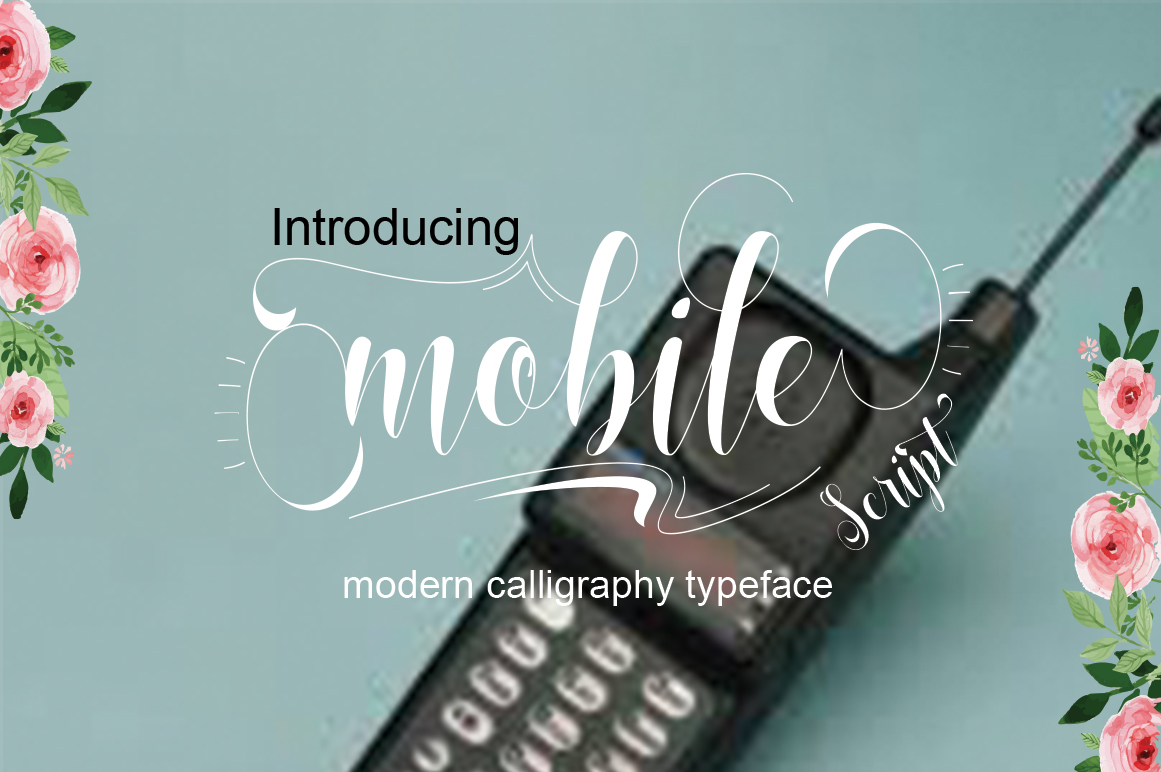
Mobile: A Modern Handwritten Font with Unique Calligraphy
Typography often feels like the silent partner in design—always present, rarely praised, yet capable of shifting the entire mood of a project. When you come across a typeface like Mobile, you notice it right away. It does not blend in. It carries a personality that feels both playful and deliberate, like someone sat down with a brush and wrote each letter with care, then digitized it without losing the human touch. For anyone tired of rigid, corporate fonts or overly decorative scripts that sacrifice readability for flair, Mobile offers a compelling middle ground.
This article explores what makes Mobile a practical choice across various contexts, where it shines best, and what you should consider before adopting it in your own work.
What Makes Mobile Stand Out?
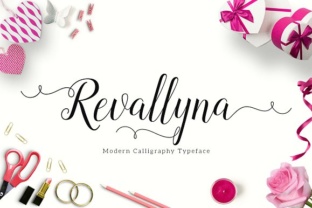
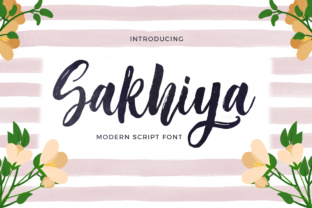
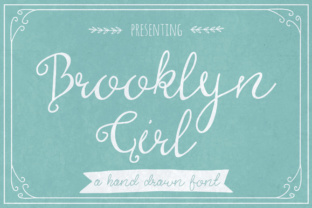
Mobile is a handwritten font with a modern, loose calligraphic structure. It is not the kind of script you see on wedding invitations from a decade ago—loopy, formal, and demanding. Instead, Mobile leans into a fresher, more approachable style. The strokes feel natural, with slight variations in thickness and angle that mimic real handwriting. This authenticity is its core strength.
- Natural Flow: Each character appears to connect smoothly to the next, giving words a seamless, rhythmic appearance. This makes longer phrases easy on the eyes.
- Modern Aesthetic: The design avoids excessive ornamentation. It feels current without chasing short-lived trends.
- Readability: Unlike many handwritten fonts that sacrifice clarity for style, Mobile keeps letterforms distinct. You do not have to guess what a word says.
- Versatility in Weight: Many versions of Mobile include multiple weights, allowing you to use a lighter version for body text and a bolder one for headlines.
These qualities matter because they directly affect how your audience perceives your content. A font that feels forced or illegible creates friction. Mobile reduces that friction while adding character.
Where Mobile Adds Real Value
The practical applications for Mobile span far beyond the obvious. While it may seem like a font for personal journals or casual posters, its utility reaches into professional, educational, and commercial settings. Let us examine a few areas where it makes a measurable difference.
Personal Branding and Social Media
If you run a small business, freelance operation, or personal blog, your visual identity matters. People decide whether to trust you within seconds of seeing your content. Mobile works well here because it conveys warmth without sacrificing professionalism.
Consider a lifestyle coach using Mobile for Instagram quote cards. The friendly, human tone of the font reinforces the message. It does not feel like a faceless template. Engagement often rises when audiences feel a personal connection, and a handwritten font can be part of that equation. Marketers and content creators who pair Mobile with clean sans-serif fonts for body text often report a more inviting feed overall.
Educational Materials and Presentations
Teachers, trainers, and course creators face a constant challenge: how to make information approachable without looking childish. Mobile strikes a nice balance. Use it for headings in slide decks, worksheets, or online course modules. The calligraphic style adds a handcrafted feel that signals care and effort. Students and trainees often respond better to materials that appear less sterile.
For example, a university instructor creating a PDF guide on study techniques could use Mobile for section titles. It breaks up dense information visually and adds a subtle layer of warmth. The readability remains high, so even longer documents stay clear.
Product Packaging and Labels
E-commerce entrepreneurs and small product makers know that packaging sells. A handwritten font on a label suggests artisanal quality. Mobile works especially well for food products, handmade goods, stationery, and boutique items. The font does not scream "mass-produced." It whispers "someone made this with intention."
A candle maker using Mobile for scent names on labels creates a cohesive, aesthetic look. The slight irregularity of the letters adds to the handmade vibe. Customers often perceive such details as signs of higher quality, which can support premium pricing.
Digital and Commercial Environments
You might wonder whether a handwritten font like Mobile belongs in more formal commercial settings. The answer depends on context and execution. When used intentionally, it can elevate user experience and brand recall.
Website Headers and Landing Pages
Many modern websites now incorporate a single display font for hero sections, and Mobile fits this role well. It works beautifully on landing pages for creative agencies, wellness brands, children’s products, and lifestyle services. The key is restraint. Use Mobile for the main headline, then pair it with a neutral sans-serif like Open Sans or Inter for body copy. This combination keeps the page readable while giving the headline emotional weight.
For instance, a freelance photographer’s portfolio site could use Mobile for the tagline: "Capturing real moments, one frame at a time." The handwritten quality reinforces the authenticity of the work. Visitors get a sense of personality before they even scroll.
Email Newsletters and Digital Campaigns
Email marketers constantly test for higher open and click rates. While subject lines do the heavy lifting, the visual tone of the email itself matters. Using Mobile sparingly in headers or call-to-action buttons can make an email feel less robotic. It suggests a human being wrote it, not a marketing algorithm.
Publishers and bloggers can also use Mobile in email headers to create a consistent brand voice across platforms. When readers recognize the font, they associate it with the personality of the publication. Over time, this builds brand equity.
Practical Considerations Before Using Mobile
No font works everywhere, and Mobile is no exception. To get the most out of it, you need to consider context, medium, and audience expectations. Here are a few practical tips based on real-world use.
Balance Readability and Style
While Mobile is more legible than many handwritten fonts, it is still a display typeface at heart. Avoid using it for long paragraphs of body text in small sizes. At 10 or 11 points, the natural irregularities that give Mobile its charm can start to blur together. Reserve it for headings, short phrases, pull quotes, or accent text.
If you must use it for longer sections, increase the font size and line spacing. This gives each letter room to breathe and preserves clarity.
Match the Tone to Your Audience
Mobile suits creative, warm, and approachable brands. If your industry demands formality—law, finance, healthcare—use it sparingly, if at all. A handwritten font on a legal document would undermine trust. However, a healthcare blog aimed at parents could use Mobile for section headers without issue. Know your audience and match the tone accordingly.
Test on Multiple Devices
Handwritten fonts sometimes render differently across operating systems and browsers. What looks crisp on a Mac may appear muddy on Windows or uneven on mobile screens. Always preview Mobile in your design tool and on actual devices before finalizing. Services like Google Fonts and commercial font marketplaces often provide preview tools. Use them.
Pair with Complementary Fonts
Mobile works best when it is not alone. Pair it with a neutral sans-serif like Lato, Roboto, or Montserrat for body text. The contrast between the handwritten display font and the clean body font creates visual hierarchy. It guides the reader's eye naturally from headline to content. Avoid pairing Mobile with another script font—that usually looks cluttered and confusing.
Observations from Real Usage
Over the past few years, I have seen Mobile used in everything from small-batch coffee bag labels to online course materials. The common thread in successful implementations is intentionality. Designers who use it as a deliberate choice, rather than a decorative afterthought, get the best results.
One indie book publisher I know uses Mobile for title pages in poetry collections. The font's organic feel matches the emotional tone of the work. Readers often comment on the cover design before they even read the poems. That is the power of thoughtful typography—it sets expectations before a single word is consumed.
On the commercial side, a small skincare brand switched their label font to Mobile and saw a noticeable increase in social media shares. Customers photographed the bottles and posted them, drawn in part by the aesthetic. The font contributed to a visual identity people wanted to be associated with.
Recommendations for Getting Started
If you are considering Mobile for a project, start small. Use it in one place first—a social media graphic, a newsletter header, or a product label—and gauge the reaction. Does it feel authentic? Does it resonate with your audience? You can always expand its use later.
- Try it in mockups: Before committing, place Mobile into realistic mockups of your project. See how it interacts with colors, images, and other design elements.
- Check licensing: Some versions of Mobile are free for personal use but require a license for commercial projects. Always verify the terms before publishing.
- Consider variable versions: If you work in web design, look for a variable font version of Mobile. It allows you to adjust weight and style dynamically, which is useful for responsive layouts.
- Get feedback: Share a draft with colleagues or a small test group. Ask specifically about the font—does it feel appropriate, readable, and aligned with your brand?
Typography is a subtle craft, but its impact is anything but small. A font like Mobile, used well, can make your work feel more human, more approachable, and more memorable. That is a goal worth pursuing, whether you are designing a single Instagram post or building an entire brand identity.